Leave Your Message

Top Rubber Floor Mat Roll Manufacturers for Global Buyers

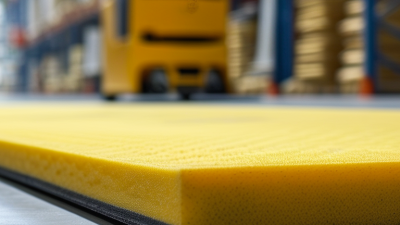
Rubber Floor Mat Roll is becoming a practical choice for factories, gyms, workshops, retail spaces, and transport facilities. Its appeal is visible: dense black or colored rolls protect concrete, reduce foot fatigue, and handle wheeled traffic. Grand View Research estimated the global rubber flooring market at approximately USD 3.6 billion in 2023, with continued growth expected through 2030. MarketsandMarkets also identifies commercial renovation, fitness centers, and industrial facilities as important demand drivers. However, these figures usually combine tiles, sheets, and mats. Buyers should avoid treating every market estimate as product-specific.

“Performance starts with the environment the flooring must survive,” says Jane Rohde, AIA, FIIDA, ASID, a recognized healthcare and resilient-flooring specialist. Her point is practical. A warehouse may need oil resistance and forklift stability, while a fitness studio may prioritize shock absorption, odor control, and easy cleaning. Thickness, recycled content, surface texture, roll width, and seam behavior can change installation costs considerably. Small details matter.

This guide evaluates leading Rubber Floor Mat Roll manufacturers for global buyers. It considers material consistency, dimensional accuracy, testing documentation, customization, packaging, production capacity, and export experience. Certifications such as ISO 9001, REACH compliance, and fire-performance testing can strengthen supplier credibility, but certificates should be verified against the actual factory and product batch. Some supplier claims remain unclear. That is worth questioning. A low price may hide uneven thickness, strong odor, weak backing, or expensive overseas freight. Reliable sourcing requires samples, technical datasheets, third-party inspection, and a clear warranty before large-volume purchasing begins.
Top Rubber Floor Mat Roll Manufacturers for Global Buyers

What Are Rubber Floor Mat Rolls and Where Are They Used?

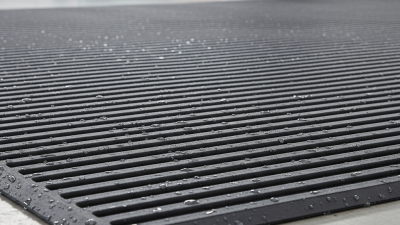
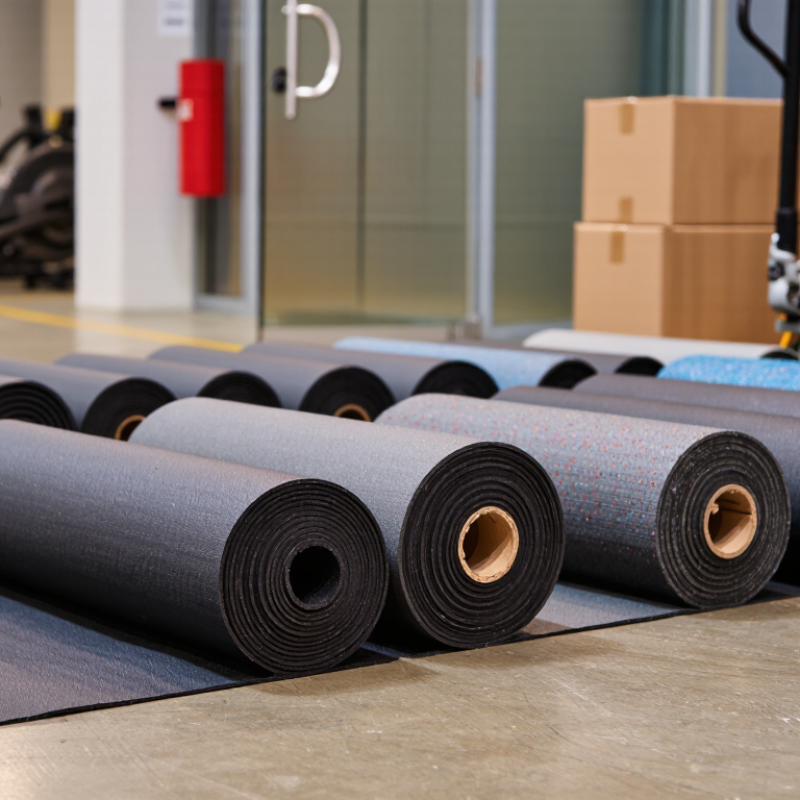
Rubber floor mat rolls are continuous sheets of resilient rubber, supplied in long, manageable lengths. They are cut on site to fit corridors, work areas, platforms, or vehicle interiors. Common materials include natural rubber, synthetic rubber, and recycled rubber blends. Their surface may be smooth, ribbed, studded, or perforated. Each pattern supports a different working condition.

These rolls are widely used in gyms, workshops, warehouses, entrances, and industrial walkways. They reduce impact from dropped tools and make standing tasks less tiring. Ribbed surfaces can help guide water away from busy paths. Perforated mats suit wet areas because liquids pass through the openings. In my experience, thickness matters more than many buyers expect. Thin rolls are easier to cut, but they may move under heavy traffic. Thicker rolls feel stronger, yet they require better floor preparation. Installation is rarely perfect. Small gaps and inaccurate cuts can still appear.

Tips: Check thickness, width, hardness, odor, and surface texture before ordering. Ask for a sample and test it under actual footwear. Confirm roll weight, packaging, and cutting tolerance with the manufacturer. For global purchasing, request material data, test reports, cleaning guidance, and clear shipment documents. Verify whether the roll stays flat after storage. A reliable supplier should explain limitations, not only advertise performance. Also inspect the floor underneath. Dust, oil, and moisture can reduce grip and shorten service life.

Key Criteria for Evaluating Global Rubber Mat Roll Manufacturers

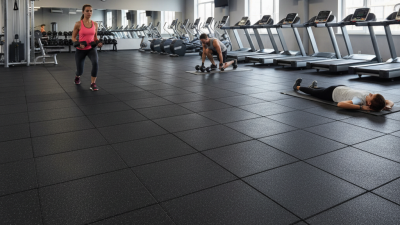
Choosing rubber floor mat roll manufacturers requires more than comparing catalog prices. Global buyers should examine rubber composition, roll density, thickness tolerance, and surface texture. These details affect slip resistance, cutting accuracy, and service life. Requesting production samples is practical. A sample can reveal curling, odor, uneven edges, or weak bonding before a large order.

Reliable manufacturers provide clear test data and traceable batch records. Ask how they measure hardness, tensile strength, abrasion resistance, and dimensional stability. Independent laboratory reports add credibility, but buyers should verify report dates and testing methods. Factory experience also matters. A supplier producing rolls for gyms may not understand requirements for workshops, transport areas, or livestock facilities. Ask for relevant project evidence and installation guidance.

Production capacity needs careful review. Confirm core sizes, maximum roll lengths, packaging methods, lead times, and quality checks at each stage. Communication is another useful signal. Accurate answers usually matter more than polished promises. Environmental documentation should explain recycled content, chemical controls, and disposal considerations without vague claims. A manufacturer may pass a sample inspection yet struggle with consistent mass production. That risk deserves attention. Buyers should keep written specifications and approve a reference sample before manufacturing begins. Mistakes still happen, especially with custom textures and color matching. A transparent supplier should acknowledge them and show how corrections are managed.

Leading Rubber Floor Mat Roll Manufacturers by Product Strengths

Top Rubber Floor Mat Roll Manufacturers for Global Buyers

Leading manufacturers distinguish themselves through measurable product strengths, not attractive catalogs. Grand View Research reported that the global rubber flooring market was valued at about USD 1.2 billion in 2023, with demand supported by gyms, transport facilities, and industrial sites. For buyers, this growth makes specification discipline essential. A factory should provide verified hardness, tensile strength, abrasion resistance, and dimensional tolerance. These figures matter when a roll is installed across a busy warehouse floor.

Anti-slip textures suit wet entrances and production areas. Dense rubber supports forklifts and repeated foot traffic. Shock-absorbing grades reduce impact beneath exercise equipment. Some manufacturers add drainage channels, while others offer oil-resistant compounds for workshops. Product strength must match the environment. Thicker is not always better. The fit is rarely perfect.

Independent testing can confirm slip performance, fire behavior, and chemical resistance. Buyers should request batch samples, technical data sheets, and inspection records before placing large orders. The Global Cement and Concrete Association notes that industrial facilities increasingly track material durability and lifecycle performance, which raises expectations for flooring suppliers. Recycled rubber content can reduce waste, but its consistency needs checking. Color variation may appear between production batches. That detail is easy to overlook.

Reliable manufacturers also control roll width, joint alignment, packaging, and moisture protection during shipment. Experience shows that installation failures often begin with poor substrate preparation, not weak rubber. Therefore, supplier support should include cutting guidance, storage instructions, and realistic service-life data. Claims without test conditions deserve caution. Safety comes first.

Top Rubber Floor Mat Roll Manufacturers for Global Buyers - Leading Rubber Floor Mat Roll Manufacturers by Product Strengths
Anonymous Supplier Profile Primary Product Strength Typical Rubber Construction Common Thickness Range Typical Roll Widths Surface Options Best-Fit Applications Key Buyer Evaluation Points
Profile A Heavy-duty industrial protection Solid natural rubber or synthetic rubber compounds designed for high abrasion resistance 6–20 mm 1.0–2.0 m Ribbed Diamond plate Textured Workshops, factories, loading areas, maintenance aisles and equipment platforms Abrasion resistance, tear strength, compression set, oil exposure and dimensional stability
Profile B Commercial gym and fitness flooring High-density SBR rubber, often supplied as homogeneous rolls or tiles 6–15 mm 1.0–1.25 m Fine texture Studded Hammered Weight rooms, functional training areas, cardio zones and sports facilities Impact absorption, odor control, slip resistance, edge accuracy and cleaning performance
Profile C Recycled-content and cost-efficient flooring Recycled SBR granules bound with polyurethane or rubber-based binders 5–15 mm 1.0–1.25 m Speckled Granulated Smooth-textured Gyms, schools, multipurpose rooms, walkways and general commercial interiors Recycled content documentation, emissions testing, color consistency and binder quality
Profile D Anti-fatigue and ergonomic support Resilient rubber compound with a profiled underside or cushioning structure 9–20 mm 0.6–1.5 m Perforated Bubble Raised-dome Standing workstations, assembly lines, service counters and commercial kitchens Standing comfort, drainage, bevelled edges, trip prevention and resistance to common liquids
Profile E Slip-resistant safety flooring Rubber sheet with molded patterns that increase underfoot traction 3–12 mm 1.0–2.0 m Coin Button Checker Fine rib Entrances, corridors, public transport interiors, ramps and wet-prone work areas Wet and dry slip performance, drainage, cleanability, wear resistance and installation method
Profile F Livestock and agricultural flooring Thick, resilient rubber designed to improve animal comfort and protect concrete floors 10–25 mm 1.0–2.0 m Textured Hammered Grooved Stables, dairy areas, livestock passages, wash bays and agricultural service zones Animal traction, cushioning, drainage, odor resistance, cleaning routine and fastening method
Profile G Electrical and utility-area insulation Insulating rubber sheet manufactured for electrical or general utility environments 3–10 mm 1.0–1.2 m Fine rib Smooth Textured Electrical rooms, switchgear areas, workshops and maintenance stations Electrical test standard, voltage class, surface condition, temperature range and traceability
Profile H Vehicle, marine and transport flooring Oil-resistant EPDM, NBR or blended rubber selected according to exposure conditions 2–8 mm 1.0–2.0 m Coin Diamond Ribbed Vehicle cabins, cargo areas, workshops, boats and utility compartments Fuel and oil resistance, UV stability, flexibility, odor, bonding compatibility and pattern wear
Product ranges are representative industry specifications; exact performance, certification and customization options should be verified against the specific supplier’s technical data sheet and test reports.

How to Compare Materials, Designs, Certifications, and Custom Options

Global buyers should compare rubber floor mat rolls by performance, not catalog appearance.

EPDM handles sunlight, ozone, and outdoor temperature changes better than standard recycled rubber. SBR often offers strong wear resistance and lower cost for gyms, workshops, and loading areas. Ask for density, tensile strength, tear resistance, and working temperature data. A heavy roll is not automatically better. Excess filler can increase weight while reducing resilience. Request a sample and bend it repeatedly before approval. Small tests reveal odors, surface cracking, and uneven recovery.

Design affects installation and daily safety.

Diamond or ribbed textures can improve traction, but deep patterns collect dirt and complicate cleaning. Smooth surfaces suit carts and sealed indoor spaces, though they may become slippery when wet. Check roll width, thickness tolerance, edge straightness, and backing stability. Confirm whether seams need adhesive, welding, or simple tight fitting. Custom cuts, drainage holes, logos, and color matching may reduce installation waste. However, custom tooling can raise minimum quantities and extend production time. Get drawings and a signed sample, not only a digital image.

Certification documents should match the destination market and intended use.

Request current test reports for slip resistance, fire behavior, VOC emissions, and heavy-metal limits where applicable. Verify the laboratory, test method, report date, and product code. A certificate for another thickness may not support your purchase. Ask about factory inspection, batch traceability, and packaging protection during ocean transport. Export experience matters here. I would question vague claims such as “eco-friendly” without recycled-content percentages or disposal guidance. No comparison is perfect; climate, traffic, cleaning chemicals, and installation skill can change actual service life. Record these conditions before selecting a manufacturer.

What International Buyers Should Know About Pricing and Shipping

Top Rubber Floor Mat Roll Manufacturers for Global Buyers

International buyers often compare rubber floor mat rolls by price per square meter, but that figure can mislead. A 3-millimeter roll may cost less than a dense 5-millimeter option, yet wear faster under heavy traffic. Ask for material composition, roll weight, thickness tolerance, and test records before accepting a quotation. Request the same specifications from each supplier. Otherwise, comparisons are weak.

Pricing also changes with width, surface pattern, minimum order quantity, packaging, and payment terms. Confirm whether the offer uses EXW, FOB, or CIF terms. Freight, insurance, destination charges, and import taxes may sit outside the headline price. A written landed-cost sheet prevents unpleasant surprises. A pre-production sample can reveal odor, surface grip, and cutting accuracy better than photos.

Shipping creates different challenges. Rubber rolls are heavy and space-consuming, even when tightly wound. Ask for roll diameter, net weight, gross weight, and cubic-meter data. These details help a forwarder estimate container loading accurately. Moisture-resistant wrapping matters during long sea voyages, especially when rolls wait at a humid port. Check production lead time separately from transit time. A supplier may finish goods in 18 days, while ocean delivery takes another 30 to 50 days. Include inspection time and possible port delays. My own purchasing mistake was trusting a low unit price before checking pallet dimensions. The final freight bill changed the decision.

Top Rubber Floor Mat Roll Manufacturers for Global Buyers

Indicative Ocean Transit Time and Freight Planning Cost by Buyer Region

Ocean transit times and freight costs are practical planning benchmarks for standard container shipments of rubber floor mat rolls from major Asian manufacturing hubs. Freight figures are estimated per square metre and exclude duties, insurance, inland delivery, port charges, and customs fees. Actual quotations vary according to order volume, container utilization, season, route, and Incoterms.