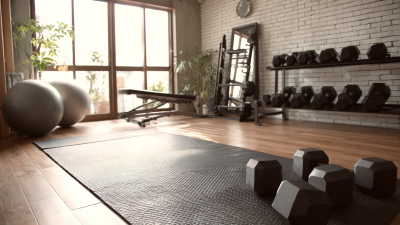
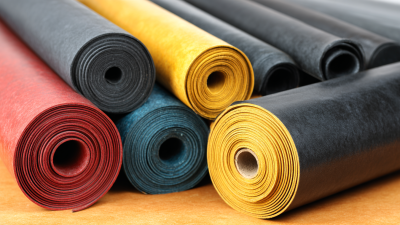
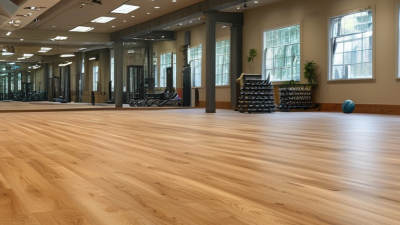
2026 Best Gym Floor Mats for Commercial Gyms
In 2026, Gym Floor Mats should match daily use, not simply be the thickest option. A strength area with dropped dumbbells needs different protection from a studio used for stretching or group classes. Treadmills and bikes bring repeated vibration, while busy walkways need dependable grip and easy cleaning. Those details shape comfort, noise, maintenance, and the floor’s working life.
This guide compares commercial options by material, thickness, surface texture, and installation style. Rubber tiles can make damaged sections easier to replace; rolled flooring may create fewer seams across larger spaces. Neither choice is right for every gym. Fit comes first. Consider equipment weight, traffic, subfloor condition, cleaning routines, and available budget before choosing. A sample can also reveal details product descriptions may miss, such as strong odors, uneven edges, or a surface that feels too firm during floor exercises.
Reliable recommendations should explain trade-offs, not promise that one mat suits every facility. Product specifications matter, but so do warranty terms, care instructions, and clear information about intended use. The best option is the one that protects the underlying floor while supporting the activities members actually perform. It may take a little testing. This overview highlights practical features to compare, helping gym owners narrow their choices and ask better questions before ordering. A thoughtful selection can improve daily use, though it cannot compensate for poor installation or unsuitable floor preparation.
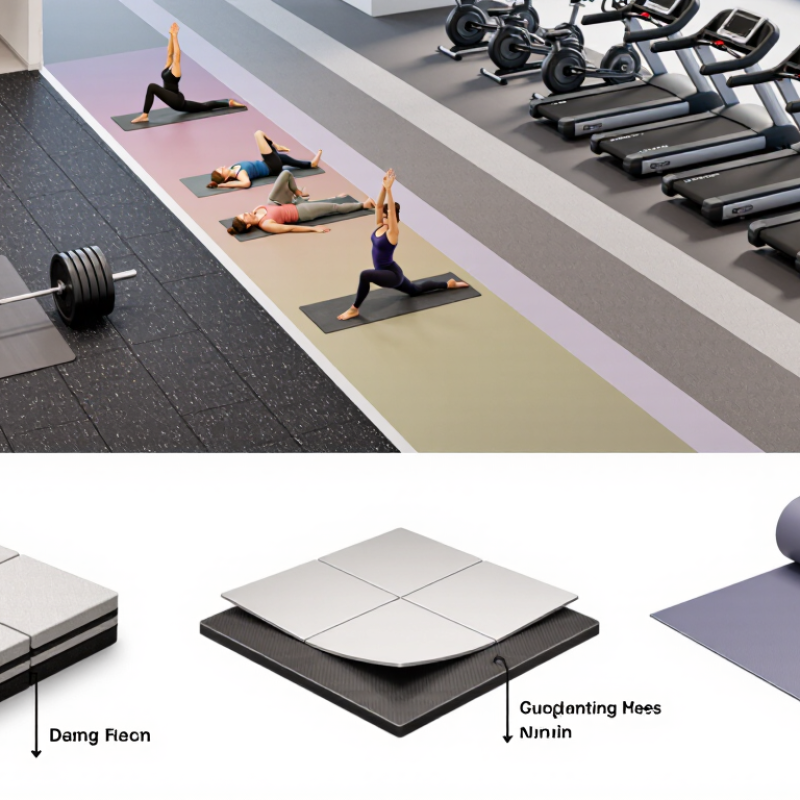
Commercial Gym Floor Mats in 2026: Types and Core Functions
Commercial gym floors serve different jobs, so one surface rarely fits every room.
Dense rubber rolls suit free-weight areas because they cushion dropped plates, reduce vibration, and resist routine cleaning. Thicker rubber tiles can add protection under heavy racks, though seams may collect dust. Check the subfloor and equipment load before choosing thickness. More padding is not always better.
IHRSA’s 2024 Global Report estimated 184 million health-club members worldwide in 2023, while
SFIA’s 2024 Topline Participation Report counted 242.2 million U.S. participants in at least one sport or fitness activity.
Those figures point to varied users and activities, not a single flooring recipe. Use firm, grippy rubber for lifting zones; resilient vinyl or rubber for cardio lanes; and turf for sled work. Foam mats may suit stretching, but they can compress under machines. ASTM F2772 provides performance criteria for sports-floor shock absorption and vertical deformation; ask suppliers for relevant test data, not just a “safe” claim.
Look closely at edges and transitions. A tidy specification can still miss a curling seam or a slippery patch after cleaning.
Real rooms are messier.
Comparing Rubber, Foam, Vinyl, and Other Gym Mat Materials
For a commercial gym, mat choice should follow the work happening on the floor, not a generic “heavy-duty” label. Dense rubber is a common choice under free weights because it grips, absorbs impact, and helps soften the sound of dropped dumbbells. But new rubber can have a strong odor, and thick rolls are awkward to move or replace. Compare thickness, density, and installation guidance rather than assuming similar-looking mats perform alike. Small seams can also collect grit.
Foam feels softer under stretching and bodyweight classes, yet it may compress beneath racks or rolling equipment. That softness helps. Interlocking edges can shift in busy areas, so check how securely they join. Vinyl is easy to wipe clean and can suit studios with frequent cleaning, but cushioning depends on its backing. Some surfaces may feel slick when damp. Test a sample with the shoes and cleaning solution used in the gym.
For specialized zones, rubber-topped platforms or turf-style surfaces may work better than one mat material everywhere. Look at the full setup, including subfloor, moisture, and traffic patterns. A material that works well in a quiet studio may wear quickly near a weight rack. There is no perfect option, and real-world testing can reveal flaws a product sheet misses.
Choosing Mats for Weight Rooms, Cardio Areas, and Training Zones
Commercial gym flooring works best when each zone is matched to its workload. In weight rooms, dense rubber mats help manage repeated impacts from dumbbells and reduce noise. Check thickness and load ratings against the heaviest equipment, not just typical use. Seams matter, too. A loose edge can catch a shoe or collect chalk and dust. Small details matter.
Cardio areas need stable, easy-to-clean surfaces beneath treadmills and bikes. Mats should resist movement and protect the floor from sweat and equipment feet. Leave enough clearance around machines for safe entry and routine cleaning. Very soft flooring may feel comfortable, but it can make some equipment less stable. The right choice depends on the machine and the subfloor.
Training zones often need more flexibility. For bodyweight circuits, mobility work, or light conditioning, a slightly cushioned surface can make kneeling and floor exercises more comfortable. But one mat rarely suits every activity. Consider how people move between zones, how often equipment gets relocated, and whether the floor can be maintained without special products. I would test a sample under actual equipment before ordering for a large room. A showroom impression is useful, but it is not the whole story.
Installation, Maintenance, and Replacement of Commercial Gym Mats
Commercial gym mats last longer when installed over a clean, dry, level surface. Remove dust and adhesive residue, then check for dips that could leave edges unsupported. Let the mats adjust to room conditions as directed by the manufacturer. Lay out the pattern before fixing anything; seams near racks and lifting platforms take repeated impact. Use compatible adhesive or interlocking edges, and keep perimeter gaps consistent. Small details matter.
Sweep grit daily, especially around free-weight areas and entrances. Fine grit can wear the mat surface under repeated foot traffic. Use a neutral cleaner approved for the flooring material, and avoid soaking seams or leaving standing water. Inspect edges, joints, and high-load zones regularly. Record lifting corners, persistent odors, or cracked surfaces so recurring problems are easier to track. The log may feel fussy, but it can help distinguish a cleaning issue from a failed bond.
Replace mats when damage creates unstable footing, exposed subfloor, or seams that no longer stay joined. If one panel is badly worn, check neighboring panels and the substrate before fitting a replacement. A new piece may not match an older mat’s thickness or color exactly. Keep spare material from the original installation when possible, and confirm its condition before storage. Planning replacement early helps reduce disruption, though it cannot prevent every surprise.