Top 10 Benefits of Rubber Flooring for Your Business Needs?
In today’s competitive business environment, selecting the right flooring is crucial. Rubber floor surfaces are increasingly recognized for their numerous benefits. According to a report by MarketsandMarkets, the global rubber flooring market is projected to reach USD 2.6 billion by 2025. This growth indicates a rising appreciation for the advantages Rubber Floor offers.
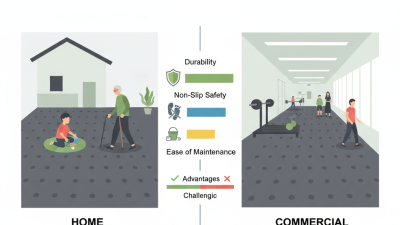
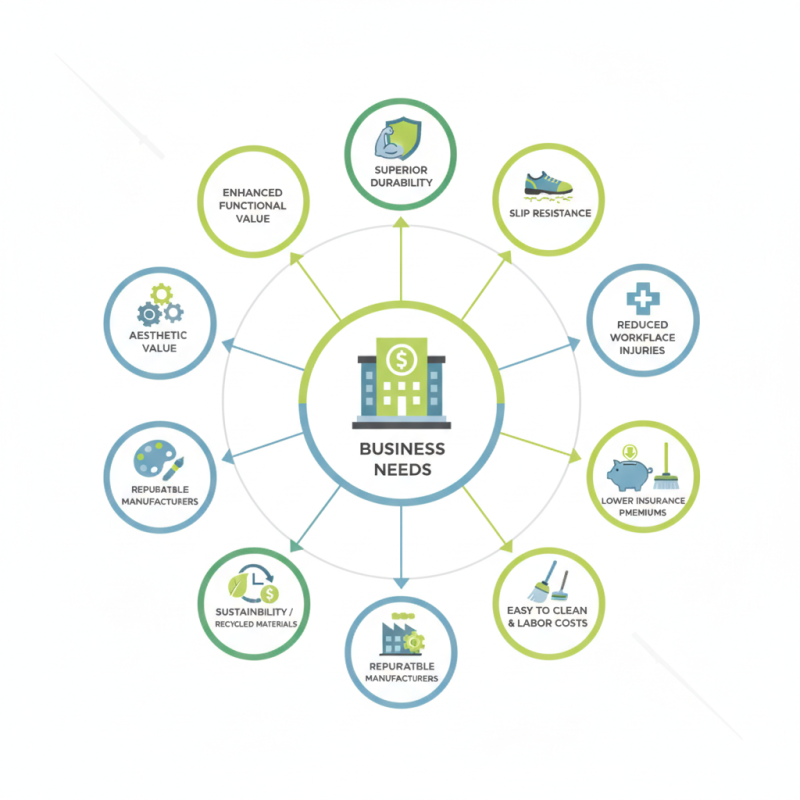
Rubber floors provide superior durability and slip resistance, making them ideal for high-traffic areas. For instance, they can reduce the incidence of workplace injuries, potentially lowering insurance premiums. Additionally, these floors are easy to clean and maintain, saving time and labor costs. However, some businesses might be wary of initial installation costs. It’s important to weigh these upfront expenses against the long-term benefits.
Sustainability is another critical aspect. Many rubber floor products are made from recycled materials, supporting environmentally friendly practices. Yet, not all products are created equal; quality can vary significantly. As companies make flooring decisions, considering the reputation of manufacturers is vital. Investing in high-quality Rubber Floors can enhance both the aesthetic and functional value of a workspace.
Benefits of Rubber Flooring: Durability and Longevity in High-Traffic Areas
Rubber flooring has emerged as a leading choice for businesses that prioritize durability and longevity in high-traffic areas. Research indicates that rubber flooring can withstand heavy foot traffic, making it ideal for gyms, schools, and retail spaces. According to a study by the Resilient Floor Covering Institute, rubber flooring can last between 10 to 30 years, depending on the installation quality and maintenance practices.
One significant advantage is its resistance to wear and tear. Businesses report a 60% reduction in floor maintenance costs due to rubber's inherent durability. In environments like warehouses, this flooring material can absorb impacts, reducing damage to equipment and minimizing repair costs. Furthermore, rubber's slip-resistant properties enhance safety, decreasing the likelihood of workplace accidents.
While rubber flooring presents numerous benefits, there are challenges. Some installations may show signs of wear over time, particularly under specific conditions. Proper maintenance and cleaning protocols are crucial. Moreover, businesses may need to weigh the initial investment against long-term savings. These considerations highlight the complexities in choosing the right flooring solution for high-traffic areas.
Top 10 Benefits of Rubber Flooring for Your Business Needs
This chart illustrates the benefits of rubber flooring for businesses, focusing on key aspects such as durability, safety, maintenance, and comfort. Each benefit is rated on a scale from 1 to 10 based on its significance in high-traffic areas.
Impact Resistance: How Rubber Flooring Protects Against Severe Damage
Rubber flooring is a smart choice for businesses due to its impact resistance. This material can absorb significant force, making it ideal for high-traffic areas. For example, in gyms, dropped weights can cause serious damage to floors. Rubber flooring minimizes dents and cracks, ensuring longevity and durability.
In facilities like warehouses or factories, heavy machinery is common. A robust rubber floor can withstand the weight of such equipment. Even in case of accidental impacts, it protects the underlying structure. The elasticity of rubber helps distribute the force intelligently. While it won't eliminate all damage, the reduction is noticeable.
Choosing rubber flooring also promotes safety. It reduces slips and falls, critical in busy environments. However, not all rubber products offer the same level of protection. It’s important to research various options. Some may not live up to expectations in extreme conditions. Businesses must consider their specific needs for the best outcome.
Top 10 Benefits of Rubber Flooring for Your Business Needs - Impact Resistance: How Rubber Flooring Protects Against Severe Damage
| Benefit |
Description |
Impact Resistance Rating |
Ideal Business Type |
| Durability |
Rubber flooring can withstand high foot traffic and wear. |
High |
Retail Stores |
| Slip Resistance |
Provides excellent traction in wet conditions. |
Medium |
Restaurants |
| Shock Absorption |
Reduces impact on joints and minimizes fatigue. |
High |
Gyms |
| Noise Reduction |
Dampens sound and reduces echo. |
Medium |
Office Spaces |
| Easy Maintenance |
Simple to clean and maintain over time. |
High |
Healthcare Facilities |
| Chemical Resistance |
Resists spills and damage from harsh chemicals. |
High |
Industrial Areas |
| Comfort |
Provides cushioning underfoot for comfort. |
High |
Dance Studios |
| Eco-Friendly |
Made from recycled materials, reducing waste. |
Medium |
Sustainability-Conscious Businesses |
| Aesthetic Appeal |
Wide range of colors and styles to choose from. |
Medium |
Corporate Settings |
| Cost-Effective |
Long lifespan reduces replacement costs. |
High |
All Business Types |
Cost Efficiency: Analyzing the Life Cycle Savings of Rubber Floor Installations
Rubber flooring offers significant life cycle savings that can benefit any business. The initial installation cost may seem high, but the long-term advantages often outweigh this. With durability and resilience, rubber flooring can last for decades. This translates to lower maintenance costs and fewer replacements over time. Many businesses find that their investment pays off in just a few years.
Regular cleaning requires less effort. Rubber surfaces repel dirt and moisture effectively, saving both labor and cleaning supplies. Slip resistance adds safety, reducing the chance of accidents. Less injury equates to lower insurance costs. Additionally, rubber flooring provides sound insulation, contributing to a more pleasant work environment.
While many see rubber flooring as a solid investment, it may not suit every business type. Some industries may struggle with the aesthetic appeal. Choosing the right color and texture can be challenging. However, the cost efficiency and practicality often make rubber flooring a worthwhile consideration. It forces us to weigh visual appeal against functionality and safety. This reflection can lead to smarter business choices.
Health and Safety Advantages: Reducing Slip and Fall Incidents with Rubber Flooring
Rubber flooring offers significant health and safety advantages, particularly in reducing slip and fall incidents. According to the National Safety Council, slips, trips, and falls account for over 25% of all workplace injuries. A substantial number of these incidents occur on hard surfaces. By installing rubber flooring, businesses can create a safer environment. The surface's inherent slip-resistant properties enhance traction, especially in high-traffic areas.
Studies from industry experts indicate that workplaces that adopt rubber flooring see a reduction in these incidents by approximately 30%. The flooring absorbs impact and minimizes the risk of injury during falls. It can also reduce fatigue in employees, as rubber flooring is softer compared to traditional materials. This cushioning effect promotes comfort and helps maintain productivity levels. While the initial investment may seem high for some businesses, the long-term benefits in employee safety and reduced liability should be considered.
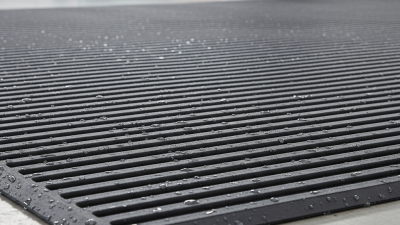
However, not all rubber flooring is created equal. Variability in quality can affect performance. Certain types may wear down faster, losing their slip-resistant properties. It’s vital to choose flooring that meets safety standards and is properly installed. Regular maintenance also plays a crucial role in sustaining its effectiveness. These factors should be evaluated thoroughly to ensure the best outcomes for safety in the workplace.
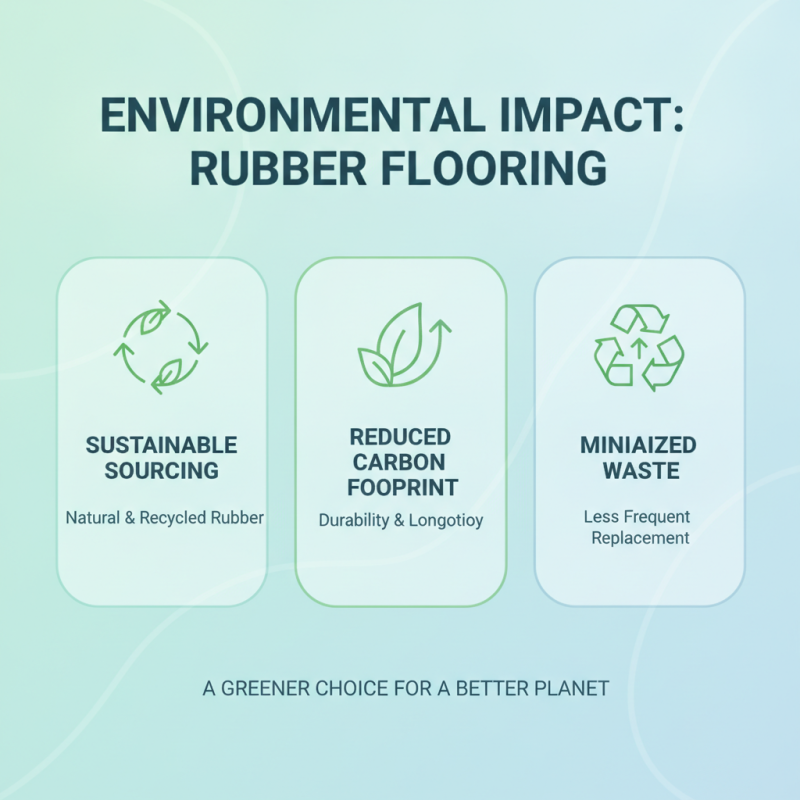
Environmental Impact: Sustainability and Recyclability of Rubber Flooring Materials
Rubber flooring is increasingly recognized for its environmental benefits. Made from natural or recycled rubber, it offers a sustainable alternative to traditional flooring options. This material is durable and can withstand heavy foot traffic, minimizing the need for frequent replacements. Its longevity contributes to a reduced carbon footprint over time.
The recyclability of rubber flooring is another key point. When it eventually reaches the end of its life, rubber can often be repurposed into new products. This closed-loop system helps reduce waste in landfills. Companies adopting rubber flooring demonstrate their commitment to sustainability.
However, there are challenges. Some brands still rely on synthetic rubber, which may not be eco-friendly. It's essential to research sourcing and production processes, ensuring that the materials used are genuinely sustainable. Transparency in manufacturing can sometimes be lacking, making consumer choices more complicated. Balancing sustainability with performance demands continuous reflection and vigilance.