Choosing the best Rubber Gym Mats is not simply a matter of picking the thickest option. The right surface must match the workout, room, equipment, and maintenance routine. A home lifting area needs different protection from a busy commercial gym.
Flooring consultant David Stiles says, “A good gym floor should protect the athlete, the equipment, and the building beneath it.” That principle keeps the buying decision practical. Heavy rubber tiles can absorb the impact of dropped dumbbells. Dense rolls can create a smoother surface for sled work and group training. Interlocking mats may offer easier installation, though their seams can collect dust and moisture.
Small details matter. Check the mat’s thickness, odor, slip resistance, and recycled-rubber content. Measure the room before ordering. A few missing centimeters can expose a concrete edge under a squat rack. That mistake is easy to overlook.
Safety comes first.
Rubber Gym Mats also affect training comfort. A slightly cushioned surface may reduce fatigue during repeated movements. However, excessive softness can feel unstable during heavy lifts. This is where product claims need careful judgment. “Commercial grade” does not always explain density, warranty coverage, or real-world durability.
This guide compares leading Rubber Gym Mats for gyms and home workouts. It considers shock absorption, traction, cleaning, installation, value, and long-term performance. Some recommendations may not suit every buyer. That is worth admitting. The best mat is not always the most expensive one. It is the one that fits the workout space honestly.
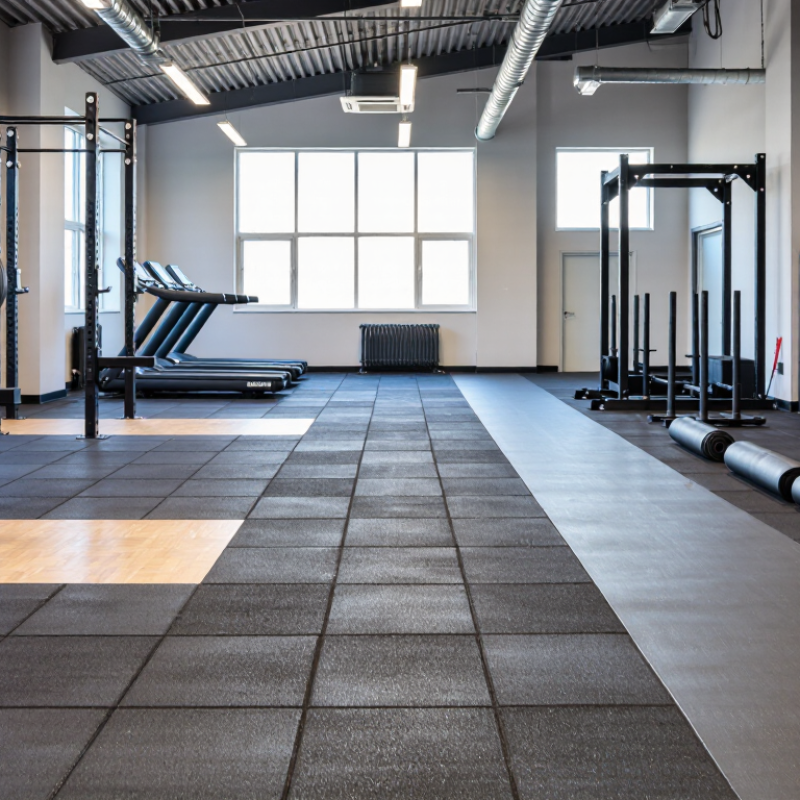
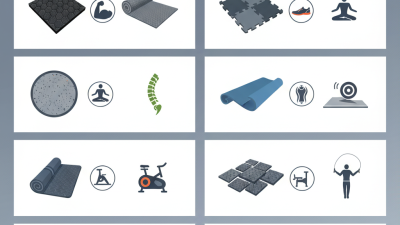
Rubber gym mats differ by format, thickness, texture, and installation method. Rolled rubber mats cover large training areas with fewer seams. They suit commercial gyms, weight rooms, and sled lanes. Thicker rolls can reduce noise from dropped equipment and protect concrete floors. However, moving and trimming them often requires two people and careful measuring.
Interlocking rubber tiles work well in home gyms and small studios. Their puzzle edges connect without adhesive, making damaged sections easier to replace. They fit strength areas, exercise bikes, and general workouts. Choose a dense surface with a textured finish for better grip. Thin tiles may feel comfortable, but they can shift under heavy racks. That detail is easy to miss.
Heavy-duty rubber slabs offer strong impact protection beneath squat racks and lifting platforms. They are practical for dumbbell zones and repeated barbell use. Smooth mats clean quickly, while textured mats can hide dust and improve traction.
Rubber rolls and tiles may release an odor after installation. Ventilation helps, but the smell can last longer than expected. I once underestimated this issue in a small room. Leave space around edges, inspect seams regularly, and avoid harsh cleaners that weaken the surface.
The best choice depends on equipment weight, room size, subfloor condition, and cleaning habits.
Top Rubber Gym Mats for Gyms and Home Workouts?
Key Features to Compare Before Choosing a Gym Mat
Rubber gym mats should match the exercises, floor, and available space. I have found that thickness matters more than appearance. Mats around 8–12 millimeters suit stretching, dumbbells, and light strength training. Heavier lifting needs thicker protection and stronger impact resistance. A soft mat feels comfortable, but it may dent under a rack.
Check the mat’s density, surface grip, and edge design. A textured surface helps control shoes during lunges and prevents equipment from sliding. Interlocking mats cover irregular rooms, while rolled mats create fewer seams. Measure the room carefully. Small gaps can collect chalk, dust, and moisture. I once underestimated this issue, and cleaning became frustrating. That mistake still influences my recommendations.
Odor deserves attention. Recycled rubber can release a strong smell after installation, especially in warm rooms. Ask for material information and ventilation guidance before purchasing. Also compare water resistance, cleaning requirements, and resistance to tearing. Mats with beveled edges reduce trip hazards near doorways. For home workouts, weight and storage are practical concerns. A very thick mat may protect the floor well but become difficult to move. For commercial gyms, inspect warranty terms, fire performance information, and tested safety data. These details are less exciting, yet they support responsible purchasing. No mat performs perfectly everywhere. The best choice depends on impact, movement, maintenance, and the people using it.
| Comparison Feature | Home Workout Mat | Commercial Fitness Mat | Weightlifting Mat | High-Impact Training Mat | Interlocking Rubber Tile |
|---|---|---|---|---|---|
| Typical thickness | 8–12 mm | 10–15 mm | 15–25 mm | 15–30 mm | 10–20 mm |
| Best suited for | Yoga, stretching, bodyweight exercise, light dumbbells | Cardio areas, strength machines, general gym floors | Free weights, racks, deadlifts, and barbell training | Functional training, plyometrics, sled work, and repeated impact | Modular home or commercial gym installations |
| Common format | Small roll or individual rectangular mat | Large roll, sheet, or interlocking tile | Heavy roll, sheet, or multi-piece platform system | Large roll or thick modular tile | Square tiles with puzzle-style edges |
| Shock and sound absorption | Basic impact and noise reduction | Good protection for routine gym activity | Very good protection against dropped weights and floor vibration | Very good impact cushioning for dynamic movement | Good, depending on thickness, density, and subfloor |
| Surface grip | Textured surface provides traction for floor exercises | Suitable for repeated foot traffic and equipment use | Firm, stable surface for lifting and equipment placement | Textured finish supports lateral movement and training drills | Stable when properly fitted on a clean, level floor |
| Installation difficulty | Very easy; usually requires no permanent fixing | Moderate; rolls may require accurate cutting and seam planning | Moderate to difficult because the material is heavy | Moderate; precise alignment is important for large areas | Easy to moderate; tiles can be assembled and replaced individually |
| Portability | High | Low to moderate | Low | Low to moderate | Moderate; individual tiles can be moved or replaced |
| Maintenance | Regular sweeping and damp cleaning | Routine vacuuming, sweeping, and damp mopping | Sweep or vacuum debris; wipe spills promptly | Frequent cleaning is recommended in high-use areas | Clean seams and edges regularly to prevent debris buildup |
| Main advantages | Convenient, space-efficient, and easy to store | Balanced protection, durability, and coverage | Excellent load resistance and floor protection | Strong impact performance and comfortable footing | Flexible layout and simple replacement of damaged sections |
| Key limitation | Not intended for heavy barbells or repeated high-impact drops | Seams may be visible, and heavy rolls can be difficult to handle | Heavier, less portable, and generally more expensive to install | Thicker material may affect equipment stability and door clearance | Edges can separate if the subfloor is uneven or installation is loose |
Note: Dimensions and performance ranges are typical industry-use guidelines. Actual results depend on rubber density, backing construction, surface texture, subfloor condition, installation quality, and training intensity.
Commercial gyms need rubber mats that withstand repeated impact, heavy equipment, and constant cleaning. Dense rubber tiles or rolls usually perform better than thin household mats. They reduce vibration under racks and protect concrete from dropped weights. A thickness between 10 and 20 millimeters suits many strength areas, while lifting platforms may need thicker protection.
In gym assessments, I check the underside, edges, and smell before judging quality. A stable backing limits movement during sled work and group training. Tight seams also reduce dirt collection and trip risks. Some new mats release a strong odor, especially in poorly ventilated rooms. That issue may fade, but it should not be ignored. I once underestimated ventilation needs, and the installation felt uncomfortable for several days.
Tips: Match thickness to equipment weight. Choose textured surfaces for better traction. Test a sample indoors first. Confirm cleaning instructions with the supplier. Leave expansion space around large floor sections, because temperature changes can affect fit.
Maintenance determines service life. Staff should remove loose debris daily and use a suitable neutral cleaner. Excess water can enter seams and affect the subfloor. Inspect high-impact zones weekly, especially around squat racks and dumbbell areas. Rubber flooring is durable, but it is not maintenance-free. Replacing one damaged tile can be practical, although matching older colors may be difficult.
For home workout spaces, rubber mats should match movement, noise, and floor protection needs. The ACSM’s 2024 Worldwide Survey of Fitness Trends placed functional fitness among the top ten trends. That supports a practical choice: flooring must handle squats, kettlebell swings, lunges, and repeated stepping. IHRSA’s 2023 Global Report recorded 184 million fitness club members worldwide in 2022. Home training deserves serious surface planning.
Measure twice. For bodyweight training and light dumbbells, 8–10 mm rubber tiles usually provide useful cushioning and sound control. Heavier weights need thicker flooring, often 15–30 mm, especially over concrete. Check the manufacturer’s tested load rating rather than trusting thickness alone.
ASTM F970 addresses static load limits for resilient flooring, but it does not replace product-specific testing. A mat can look dense yet compress under a squat rack.
Inspect the underside before installation. Textured backing helps reduce sliding, while tight seams prevent dust and moisture from collecting underneath. Leave enough clearance around the rack for safe foot placement. Rubber may release a strong odor at first, so ventilation matters; the U.S. Environmental Protection Agency recommends source control and fresh-air circulation for indoor air quality. Avoid placing mats over damp floors. That shortcut often creates trouble. I would also reconsider glossy surfaces, because sweat and low-angle lighting can make traction harder to judge.
Rubber gym mats perform well when installation starts with a clean, level floor. Remove dust, oil, and loose particles before placing each mat. Measure twice. Leave a small expansion gap near walls, especially in rooms with changing temperatures. Align seams tightly, but do not force curled edges flat. Let the mats rest for 24 to 48 hours before heavy training.
Daily cleaning should remove sweat, chalk, and grit before they enter the surface texture. Vacuum with a soft attachment, then mop with warm water and a mild, neutral cleaner. Avoid bleach, strong solvents, and overly wet mops. Moisture trapped beneath rubber can create unpleasant odors and damage some subfloors. Keep it dry. Test any cleaner on a hidden corner first.
Long-term maintenance depends on inspection, not appearance alone. Check seams, corners, and areas beneath racks every month. A lifting edge can become a trip hazard and may worsen under repeated impact. Rotate movable mats occasionally to spread wear, although fixed layouts cannot always support this. I once delayed replacing a cracked section because it looked harmless; the damage later spread across the seam. That mistake reinforced a practical rule: repair small defects early. Record cleaning dates and observed changes, since memory is unreliable in busy gyms. Even well-installed rubber needs ventilation, patience, and regular attention.