Top 10 Gym Floor Mats You Need for Your Fitness Space?
Creating a functional and inviting fitness space often starts with choosing the right Gym Floor Mats. According to fitness industry expert, Mike Robinson, "Quality gym mats can significantly enhance your workout experience." When it comes to selecting gym flooring, the options can be overwhelming.
The right mats provide safety and comfort during exercise. They protect your joints, reduce noise, and keep your equipment in place. However, not all mats are suitable for every activity. It’s essential to evaluate your specific needs. Despite their importance, many people overlook the significance of selecting proper Gym Floor Mats.
Choosing the wrong type can lead to discomfort and even injury. Reflect on your fitness goals and the activities you’ll do. Consider factors like thickness, material, and durability. An informed choice will make a difference in your workouts and overall space.
Understanding the Importance of Gym Floor Mats in Fitness Spaces
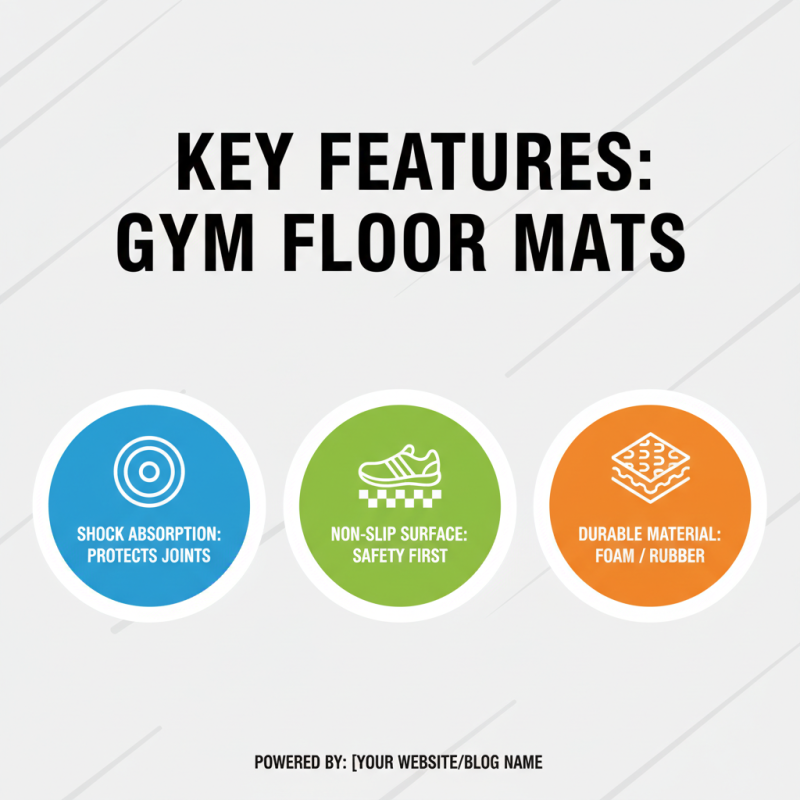
When setting up a fitness space, gym floor mats play a crucial role. They provide a safe and stable foundation for workouts. According to industry reports, proper flooring can reduce the risk of injury by up to 30%. This reduction is vital, especially in high-impact environments. A non-slip surface helps athletes train without the constant fear of slipping.
The right gym mat also absorbs sound, minimizing noise during high-intensity sessions. This feature creates a more welcoming environment for everyone. Reports suggest that incorporating mats can decrease noise levels by 50%. This is particularly important in communal spaces where multiple activities occur simultaneously.
However, not all mats are created equal. Some may wear out quickly, losing their protective qualities. Frequent inspection and replacement of worn mats are necessary to maintain safety and functionality. Not addressing mat quality can lead to accidents that might deter users. Investing in high-quality mats is essential for sustainability and user experience.
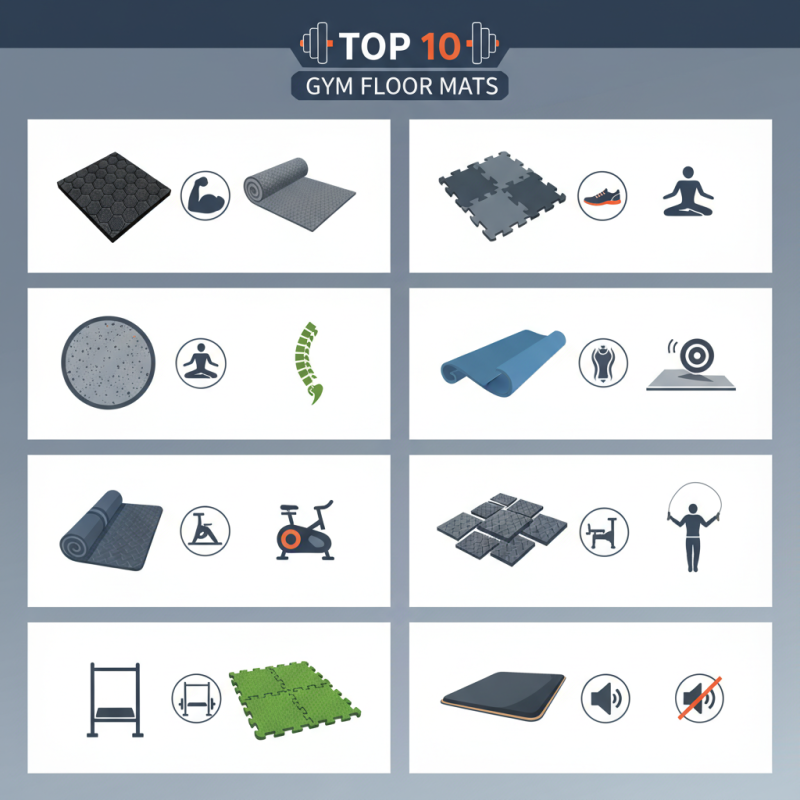
Top 10 Gym Floor Mats You Need for Your Fitness Space
| Mats Model |
Material |
Thickness |
Size |
Price |
Ideal For |
| High-Density Foam Mat |
Foam |
1 inch |
6' x 4' |
$45 |
General Workouts |
| Interlocking EVA Foam Tiles |
EVA Foam |
0.5 inch |
Each Tile 2' x 2' |
$2.50 per tile |
Martial Arts |
| Rubber Flooring Rolls |
Rubber |
3/8 inch |
10' x 10' |
$150 |
Weightlifting |
| Yoga Mat |
PVC |
0.25 inch |
68" x 24" |
$20 |
Yoga & Pilates |
| Anti-Fatigue Mat |
Foam |
3/4 inch |
3' x 2' |
$35 |
Standing Workouts |
| Battle Rope Mat |
Rubber |
1/2 inch |
4' x 4' |
$60 |
Conditioning |
| Cardio Mat |
Vinyl |
1/4 inch |
5' x 3' |
$25 |
Cardio Equipment |
| Exercise Mat |
NBR |
1/2 inch |
72" x 24" |
$30 |
General Workouts |
| Heavy-Duty Gym Mat |
Polyester |
1 inch |
6' x 3' |
$50 |
High-Intensity Training |
Top Ten Gym Floor Mats for Various Exercise Needs and Environments
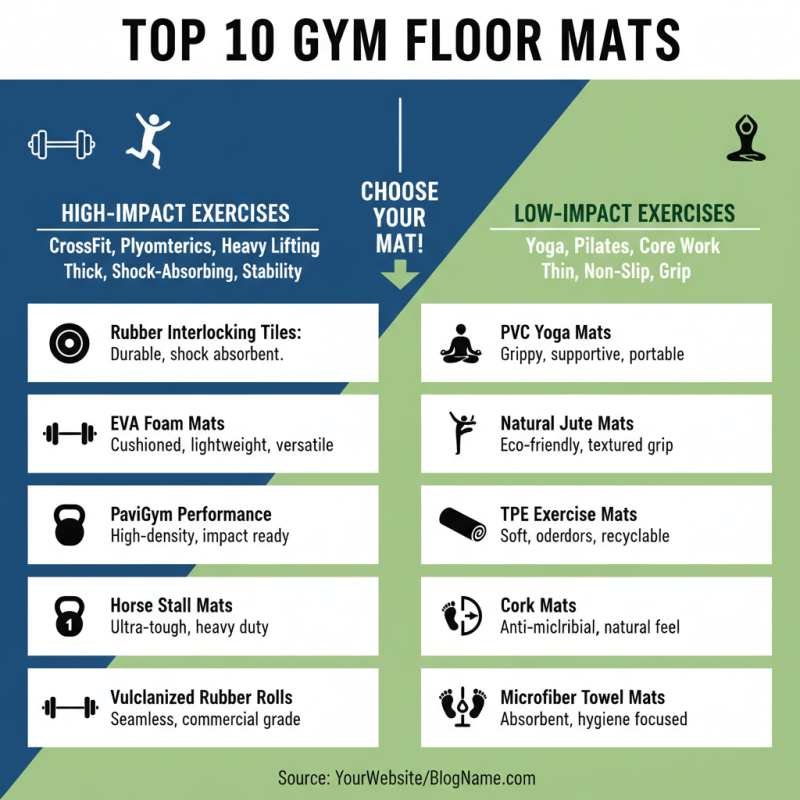
When you’re setting up a gym, the right floor mat can make all the difference. Different exercises require different types of flooring. The mats you choose should match your workout routines and the environment. For high-impact exercises like CrossFit or plyometrics, thicker, shock-absorbing mats are essential. They provide the stability needed for jumping and heavy lifting. In contrast, yoga enthusiasts benefit from thinner, non-slip mats that enhance balance and connection to the ground.
In consideration of space, durability comes into play. If your fitness space is used for group classes, mats that can withstand heavy traffic are crucial. Some mats are designed for outdoor use, resisting moisture and UV damage. Others focus on hygiene, with antimicrobial surfaces that are easy to clean. The texture and material also affect performance—softer mats might seem comfortable but can hinder movement in dynamic workouts. Yet, this can lead to overcommitting without evaluating your actual needs. Striking a balance between comfort and practicality is key for a successful workout environment.
Maintenance Tips for Prolonging the Life of Your Gym Floor Mats
Choosing the right gym floor mats is essential for any fitness space. However, maintaining them is just as crucial. Regular cleaning can significantly extend the life of your mats. According to a report by the International Health, Racquet & Sportsclub Association, proper maintenance can increase durability by up to 50%. Dust, sweat, and other residues can degrade mat surfaces. For effective cleaning, use a mild detergent mixed with water. Avoid strong chemicals that may wear them down.
Additionally, consider how mats are stored. When not in use, mats should be rolled up instead of folded. Folding can create creases that compromise their integrity. The National Association of Fitness Equipment suggests allowing mats to air dry completely after cleaning. This prevents mold and mildew, common issues with moisture retention. Proper ventilation is also key. Installing fans in your workout area can help accelerate drying and reduce odors.
Mats are a significant investment for any gym. Yet, many overlook the simple steps needed for their upkeep. Regularly inspect them for signs of wear, such as cracks or tears. Minor damages can quickly escalate if left untreated. A proactive approach can ensure your mats remain safe and effective for years to come. Neglecting these details may lead to unnecessary replacement costs later. Pay attention to your mats to reap the benefits of your fitness space fully.
Comparative Analysis of Different Materials Used in Gym Mats
When creating a fitness space, choosing the right gym floor mat is crucial. The material of the mat can significantly impact your workout experience. Foam mats are popular for their comfort and shock absorption. According to a report by the Fitness Equipment Association, foam mats reduce joint strain effectively. However, they may not be durable for heavy equipment use.
Rubber mats offer another option. They are sturdy and provide excellent traction. These mats are ideal for weightlifting areas, preventing slip risks. A study from the Journal of Sports Science indicates that rubber mats can absorb up to 80% of impact, making them beneficial for high-intensity workouts. Yet, their weight can make them challenging to reposition.
Vinyl mats offer easy cleaning and are water-resistant, a plus for yoga and Pilates classes. They can be less comfortable than foam but often boast extended lifespan due to their wear resistance. Despite these advantages, they may not provide the same cushioning effect. Users sometimes experience discomfort after prolonged use on harder surfaces. Balancing material choices with specific workout needs is essential for an effective fitness environment.
Top 10 Gym Floor Mats You Need for Your Fitness Space
This chart shows a comparative analysis of different materials used in gym mats, focusing on their durability, comfort, and cost-effectiveness. The data represents the average ratings for each material based on user feedback.