How to Choose the Best Barbell Mats for Your Gym Needs?
When setting up a home gym, choosing the right Barbell Mats is essential. A recent study by the International Sports Sciences Association found that 70% of gym injuries occur due to improper flooring. High-quality Barbell Mats provide safety and stability during weightlifting. They protect both your floor and your equipment from damage.
In addition, Barbell Mats can significantly reduce noise pollution. According to Fitness Equipment Reports, gyms with proper matting have a 40% decrease in noise levels. This makes workouts more enjoyable for users and minimizes disturbances to others. However, selecting the best mats can be challenging. Factors such as material type, thickness, and texture affect performance.
Many people overlook the importance of mats until it's too late. Skipping this crucial step could lead to accidents or equipment wear. Therefore, investing time in finding the right Barbell Mats is beneficial. It promotes a safer, more efficient workout environment. Understanding your unique gym needs can help you make a more informed decision.
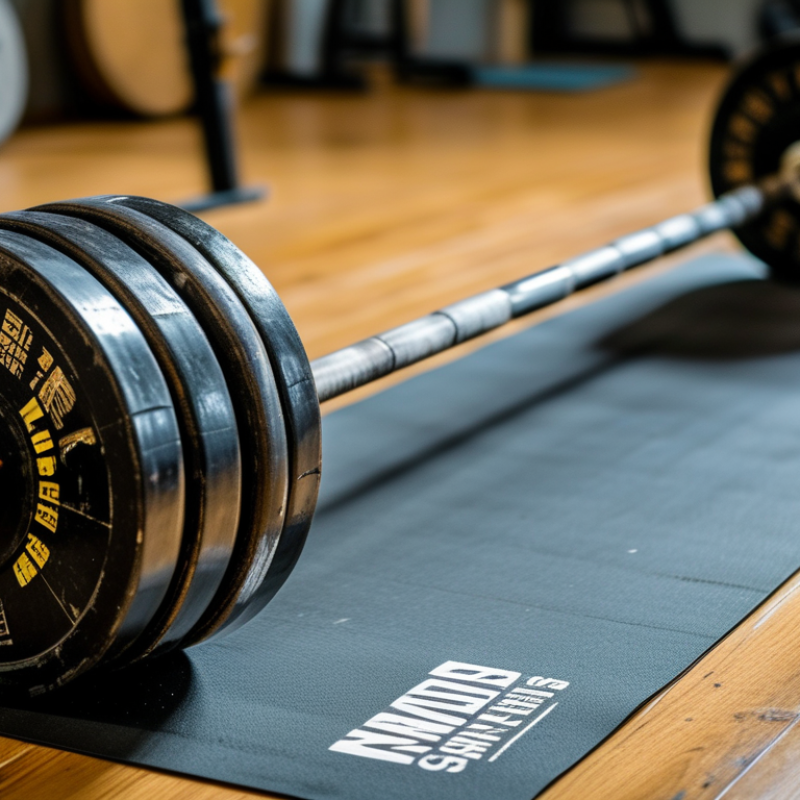
Understanding the Purpose of Barbell Mats in Gym Environments
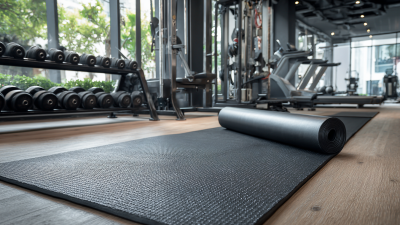
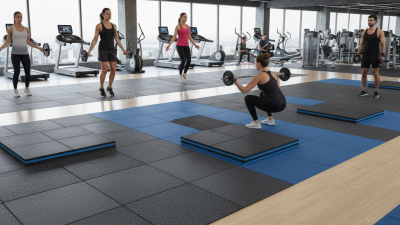
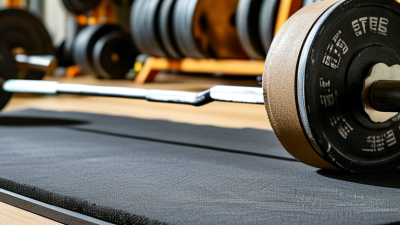
Barbell mats serve a vital role in gym environments. They absorb shock and reduce noise during weightlifting. This protective layer safeguards floors and minimizes damage from dropped weights. An effective mat can significantly improve safety and comfort while working out.
Choosing the right mat depends on several factors. Thickness matters; thicker mats provide better cushioning. Material quality impacts durability and resistance to wear. Consider the gym's aesthetics, too; a well-chosen mat enhances the overall look. A poorly selected mat can lead to slips or tears, creating potential hazards.
Some mats may not align with your specific needs. For instance, heavier weights require sturdier mats. Thickness can also affect stability. Participants should regularly assess their mats for any signs of wear. Regular maintenance ensures longevity and performance, allowing gym-goers to focus on their fitness routines without concerns about safety.
Evaluating Different Materials Used in Barbell Mats
When selecting a barbell mat, material matters. Rubber is a popular choice due to its durability and shock absorption. It provides excellent traction, reducing the risk of slipping during heavy lifts. EVA foam is another option. It is lighter and softer, making it comfortable. However, it may not offer the same level of durability as rubber.
Consider the thickness of the mat, too. Thicker mats can provide better cushioning. Yet, they may alter your balance when lifting. Some users prefer thinner mats for stability. Evaluate your gym environment, as a high-traffic area may wear out materials faster. Reflect on what feels best for your workout routine.
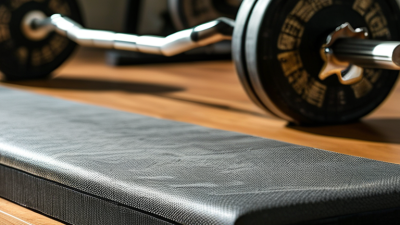
The texture impacts performance. A smooth surface offers less grip, while a textured mat enhances stability. Test different materials and thicknesses to find what suits you. Remember, your choice affects your safety and effectiveness during workouts. Don't rush; proper evaluation can lead to better lifting experiences in the long run.
How to Choose the Best Barbell Mats for Your Gym Needs?
| Material |
Durability |
Shock Absorption |
Water Resistance |
Price Range |
| Rubber |
High |
Excellent |
Good |
$50 - $150 |
| EVA Foam |
Medium |
Good |
Excellent |
$30 - $100 |
| PVC |
Low |
Fair |
Good |
$20 - $70 |
| Vinyl |
Medium |
Good |
Fair |
$25 - $90 |
| Natural Rubber |
High |
Excellent |
Good |
$60 - $200 |
Assessing Thickness and Density for Optimal Floor Protection
Choosing the right barbell mat is essential for protecting your gym floor and ensuring safety during workouts.
Thickness and density play crucial roles in this decision. A thicker mat can absorb more impact, reducing damage from dropped weights. However, thickness should be balanced with mobility. If your mat is too thick, it may hinder movement during exercises.
Density is another critical factor. A high-density mat provides better support for heavy weights, preventing sagging or compression over time. Alternatively, lower density materials may wear out faster. It’s important to consider your workout routine. If you lift heavy regularly, opt for denser materials to maintain consistency in floor protection.
When assessing these features, reflect on your specific needs. Are you focused on weightlifting, or do you incorporate cardio? Each use case may require different mat properties. Understanding these nuances will help avoid subpar choices, ensuring a safer and more effective gym environment.
Identifying Key Features for Traction and Stability
Choosing the right barbell mat can greatly enhance your gym experience. When it comes to traction and stability, look for mats with textured surfaces. These surfaces prevent slipping during intense workouts. A study from the National Strength and Conditioning Association highlights that proper grip can reduce the risk of injury by up to 30%.
Material plays a key role in stability. Rubber mats are popular because they absorb shock and support heavy weights. According to the International Journal of Sports Physiology and Performance, mats with a thickness of 1 inch or more effectively dampen noise and vibrations. This feature is essential for both the user’s safety and the facility's environment.
Tips: Check for mats that have a non-slip backing. This helps keep the mat in place during use. Also, consider the weight of the mat; heavier options usually offer better stability.
Not every mat will suit every gym. Reflect on the specific needs of your space. For example, if your gym frequently hosts yoga classes alongside weightlifting, choose a versatile mat. Balancing traction and comfort is challenging. Always consider the material's lifespan and durability under heavy use.
Comparing Cost vs. Quality of Various Barbell Mats on the Market
When considering barbell mats, cost and quality often clash. It’s vital to find a balance that suits your gym’s needs. A less expensive mat might save money initially, but if it wears down quickly, you’ll face replacement costs. Some low-cost options might not provide the necessary cushioning. This can lead to injuries over time. High-quality mats offer durability and better protection, despite their higher price.
Evaluating your gym’s specific needs can help narrow down choices. Think about how often barbell training occurs. Are you training beginners or advanced athletes? A mat that absorbs impact is essential for heavy lifters. Look for materials that resist shifting and tearing, as these features enhance reliability. Recognize that investing more upfront can lead to long-term savings. Sometimes, it’s worth paying extra for the right features.
It's common to feel overwhelmed by the variety available. Researching materials and user reviews can clarify options. Many users highlight durability in their feedback, which is crucial. However, not every high-end mat will perform flawlessly. Consider local gym feedback or community forums for real-world insights. Remember that your choice should align with both your budget and your training demands.