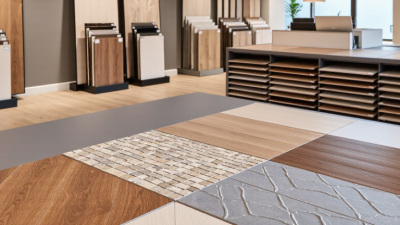
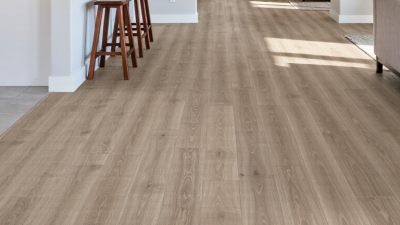
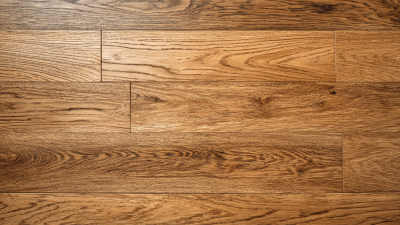
China’s vinyl flooring sector includes large export-oriented manufacturers and smaller specialists serving residential, commercial, and contract projects. Comparing them takes more than checking a catalogue. Buyers should examine product consistency, wear-layer options, dimensional stability, installation guidance, and the documents supporting each specification. A sample may look convincing under showroom lights; the real test is how its surface and edges perform after repeated use.
A useful expert comment belongs here, but no source article or verifiable quotation was provided. To avoid inventing an endorsement, this draft uses a clearly marked placeholder: “A tile earns trust through consistent performance, not appearance alone.” — [Insert a named vinyl flooring expert and verified quotation.] That attribution should be confirmed before publication.
This guide examines ten Chinese manufacturers of Vinyl Floor Tiles and the details that help distinguish them. Company scale matters, but it does not tell the whole story. Buyers should also compare available formats, quality-control practices, customization options, export experience, and responsiveness to technical questions. Ask for current specifications and project-relevant samples. Check them under the lighting and conditions where the flooring will be used. No ranking can replace due diligence, and product claims deserve careful review.
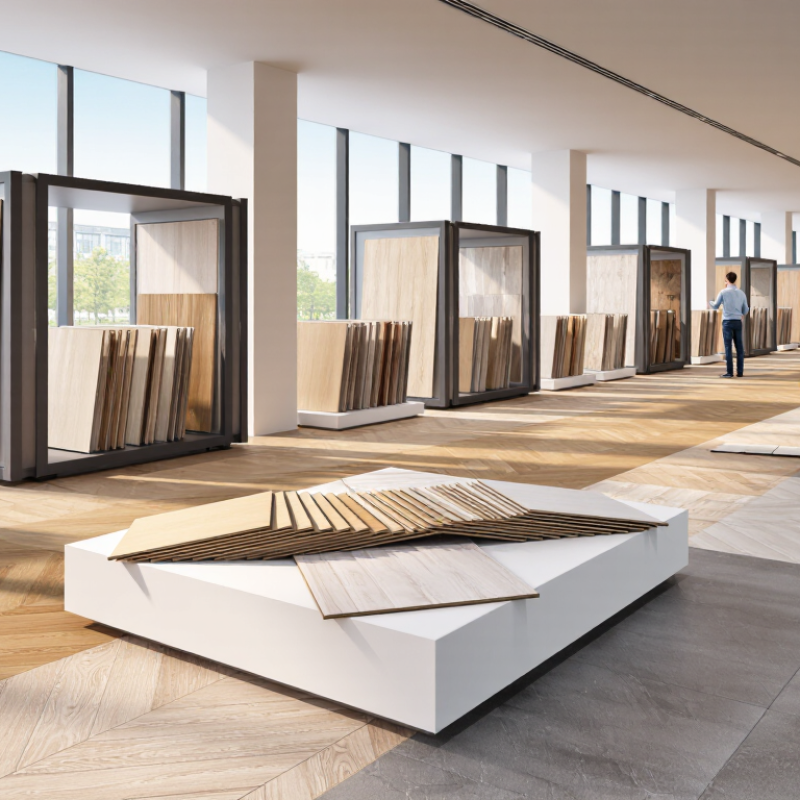
Vinyl floor tiles are resilient, layered coverings—not simply sheets of plastic. A typical tile contains PVC resin, mineral fillers, stabilizers, plasticizers, and pigments. A printed film gives it wood grain or stone-like detail, while a clear wear layer helps resist scuffs. Some rigid-core tiles use more mineral filler and feel less flexible. Formulas vary. Grand View Research valued the global vinyl flooring market at USD 25.6 billion in 2023 and projected a 6.1% compound annual growth rate for 2024–2030. That market estimate indicates demand, not product quality.
Production commonly starts with blending raw materials, followed by forming the core through processes such as calendering or pressing. Manufacturers add decorative and protective layers, then apply heat and pressure to bond them. Embossing can add a subtle grain that catches light under a window. Tiles are cooled, cut, and checked for thickness, appearance, and dimensional stability. Methods differ by construction, so not every factory follows the same sequence. Small shade differences can still occur; careful inspection matters.
Tips: Ask for the tile’s layer structure, thickness, and test documentation. Compare samples in the room’s actual lighting. Details matter. A realistic grain pattern is useful, but it cannot replace sound construction.
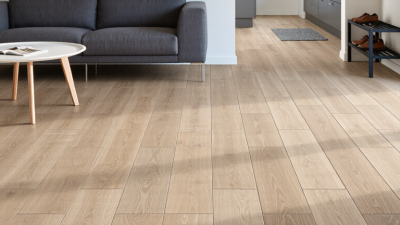
When comparing Chinese vinyl floor tile manufacturers, evaluation should begin with the product, not the catalogue. Ask for a current technical sheet and samples from regular production. Check tile thickness, wear-layer claims, surface finish, edge quality, and dimensional stability. A clean sample is useful, but it cannot show how an entire batch will perform.
Reliable assessment also looks at factory controls. Review inspection records, material traceability, and procedures for color matching and packaging. Request relevant third-party test reports, then confirm that the tested product matches the quoted specification. For busy commercial interiors, wear, slip performance, and emissions data may matter more than decorative options. Production capacity matters too, but lead-time promises should be compared with shipment records and a realistic order schedule. Details count.
Communication is part of quality. A capable supplier should explain tolerances, installation conditions, and what happens when delivered tiles differ from approved samples. Ask how complaints are recorded and resolved; vague answers deserve follow-up. Price alone is a poor measure, especially when tile construction or test scope differs. Still, no scorecard is perfect. Factory visits can be staged, and reports can become outdated. Combine documents, physical checks, and small trial orders before making a larger commitment.
This table presents a practical 100-point framework for comparing manufacturers. It ranks evaluation criteria, not individual companies; supplier performance should be assessed using current, verifiable documents and product samples.
| No. | Evaluation Criterion | Weight | Evidence to Check | What a Strong Result Looks Like |
|---|---|---|---|---|
| 1 | Product performance and test evidence | 15% | Recent test reports for the specific product and construction, covering relevant properties such as dimensional stability, wear, indentation, and slip performance where applicable. | Reports identify the tested product, methods, results, and issuing laboratory; results meet the buyer’s project and destination-market requirements. |
| 2 | Product specifications and construction control | 15% | Technical data sheets stating product type, total thickness, wear-layer thickness where relevant, dimensions, finish, and installation format. | Specifications are complete, consistent across documents, and confirmed against production samples and purchase-order requirements. |
| 3 | Quality management and production controls | 12% | Quality procedures, inspection records, calibration practices, traceability, and the scope and validity of any quality-management certificates. | Documented checks are performed on incoming materials, production batches, and finished goods, with a process for handling non-conforming products. |
| 4 | Factory capability and capacity | 10% | Factory audit findings, relevant production equipment, shift capacity, lead-time commitments, and evidence that the quoted site makes the offered product. | Capacity and delivery plans are supported by verifiable production information and are realistic for the order size and product type. |
| 5 | Batch consistency and inspection practice | 10% | Inspection plans and records for dimensions, appearance, packaging, and other agreed acceptance criteria; sample comparisons across batches when available. | Acceptance criteria are written down, inspection records are retained, and batch identification supports follow-up if a quality issue arises. |
| 6 | Customization and product development | 10% | Available formats, colors, surface designs, packaging options, tooling requirements, minimum order quantities, and sample-development timelines. | Customization limits, costs, approval samples, and production timelines are clearly specified before an order is placed. |
| 7 | Regulatory and destination-market documentation | 8% | Product declarations, safety or emissions documentation where required, and applicable conformity documents for the intended market and product category. | Documents are current, match the product being quoted, and address requirements confirmed by the importer or project specification. |
| 8 | Export readiness and order administration | 8% | Export packaging details, shipping-document capability, agreed trade terms, shipment planning, and references that can be independently checked. | The supplier communicates order milestones clearly and can provide documents and packing information required for the destination. |
| 9 | Environmental information and material transparency | 6% | Material declarations and substantiation for environmental claims; applicable third-party certificates or product assessments when available and relevant. | Claims are specific, documented, and applicable to the quoted product rather than presented as unsupported general statements. |
| 10 | Communication, warranty, and after-sales support | 6% | Written warranty terms, installation guidance, response process for complaints, and a clear route for resolving product or shipment issues. | Responsibilities, exclusions, claim evidence, and expected response steps are explained before purchase. |
| Total Weight | 100% | Apply the same criteria to each shortlisted supplier and verify documents against the exact product and order. | ||
The Top 10 Vinyl Floor Tile Manufacturers in China are best compared by more than production capacity. A useful review looks at product consistency, technical support, and the ability to meet project specifications. Check whether a factory produces luxury vinyl tile, stone-plastic composite flooring, or other formats. These products differ in construction and installation needs. Some details look similar in a catalogue, but can perform differently under daily foot traffic.
Look closely at wear-layer thickness, overall tile dimensions, surface texture, and locking or adhesive options. Ask for current test reports and samples from the same product series you plan to order. A sample can reveal edge quality, pattern repeat, and surface feel. Small details matter. Also confirm production lead times, packaging methods, and how the supplier handles defects. A high ranking does not guarantee a good fit; rankings may reflect different criteria or outdated information.
Tips: Compare at least three factories using the same checklist. Request written specifications, then inspect samples in the project’s lighting. Ask how batch variation is monitored. If answers are vague, pause and verify them before placing a large order. Even careful checks have limits, so keep a record of approved samples and agreed tolerances.
Common total-thickness ranges for selected vinyl flooring formats, in millimeters. Actual specifications vary by product; this chart is not a manufacturer ranking.
Ranges shown are typical market specifications, not company-specific data.
Comparing China’s leading vinyl floor tile manufacturers requires looking beyond catalogue photos. Product range is a useful starting point: check available thicknesses, surface textures, wear layers, and locking or adhesive formats. Ask for samples from current production, not only display boards. Color matching and edge quality are easier to judge in daylight beside a window. Small differences become obvious across a full room.
Capacity claims need context. Monthly output matters, but so do order size, lead time, and consistency between batches. Ask whether production lines are dedicated to flooring and how defects are recorded. A large facility is not automatically the best fit. Details matter. For export buyers, packaging strength, pallet dimensions, and clear product specifications can prevent avoidable delays. Request recent test documents and confirm which product series they cover.
Market experience also shapes a manufacturer’s strengths. Some suppliers focus on residential renovations, while others handle commercial projects with heavier foot traffic. Check whether their products suit the climate, installation method, and maintenance habits of your target market. Samples can disagree. A polished showroom may not reveal batch variation, so compare several cartons when possible. It is worth asking difficult questions, even when the answers feel less tidy than expected.
Choosing a Chinese vinyl floor tile manufacturer starts with matching its production strengths to your project. Request a current product datasheet for each shortlisted tile. Check total thickness, wear-layer thickness, core construction, surface finish, and edge tolerance. Ask how these values are measured, not just what the brochure claims. Then request physical samples. Inspect them under normal room lighting, comparing the printed pattern, embossing, and color across several pieces. A single tile can look convincing. A carton may reveal variation. Ask for recent batch records, inspection procedures, and test reports for the exact construction being quoted. Confirm that sample labels and reports show matching product codes.
Production capacity matters, but responsiveness does too. Discuss minimum order quantities, lead times, packaging, spare quantities, and defect handling before paying a deposit. Request a written specification sheet and an itemized quotation. If possible, arrange a factory visit or live video tour of pressing, cutting, and final inspection. Notice whether staff answer technical questions directly. Vague answers are a warning. No checklist removes every risk. Compare two or three suppliers using identical questions, then order a small trial batch before a large shipment. That extra step takes time, and may reveal issues the sample missed.