What Are the Top Vinyl Floor Types in 2026?
Choosing a Vinyl Floor in 2026 means weighing more than color and price. The right type should suit the room, subfloor, household, and installation plan. A busy kitchen has different demands from a quiet guest room. Water resistance, comfort underfoot, wear-layer thickness, and repair options all matter. Small details matter.
This guide compares popular options, including luxury vinyl plank, luxury vinyl tile, rigid-core SPC, cushioned WPC, and sheet vinyl. Each has trade-offs. SPC often feels firm underfoot, while WPC may feel warmer and softer. Sheet vinyl can reduce seams in a large room, but damaged sections may be harder to patch discreetly. No single type wins everywhere.
Product labels can help, but they do not tell the whole story. Check the manufacturer’s installation instructions, warranty exclusions, wear-layer specifications, and approved cleaning methods before buying. A sample viewed beside your cabinets may look different under evening lighting. That is easy to overlook. Also consider subfloor flatness: even a durable plank can show problems if the surface beneath it is uneven.
The sections ahead explain how these floor types differ in construction, appearance, comfort, and upkeep. They also highlight where each may make sense—and where it may disappoint. Use them to narrow your shortlist, then verify product details for your specific room. A careful choice is not always the most expensive one.
How Vinyl Flooring Is Classified by Construction and Installation
What Are the Top Vinyl Floor Types in 2026?
How Vinyl Flooring Is Classified by Construction and Installation
Vinyl flooring can be classified by how it is built and how it attaches to the subfloor. Sheet vinyl comes in broad rolls, with few seams in a small room. Vinyl tiles and planks arrive as separate pieces, making damaged sections easier to replace. Many products have several layers, including a printed design and a protective wear layer. Look closely at the wear-layer details, not just the product name.
Rigid-core options add another construction distinction. SPC uses a dense mineral-based core, while WPC has a wood-plastic composite core. Both are designed to feel more stable underfoot than flexible vinyl, but neither fixes an uneven floor. Small bumps can show through or affect the joints. That detail is easy to overlook.
Installation method matters just as much. Glue-down flooring is bonded to the subfloor and can suit busy areas, but the surface needs careful preparation. Loose-lay products rely on weight and friction, so room size and movement matter. Click-lock planks connect at their edges and often float above the subfloor. Check moisture conditions and installation instructions before choosing; “water-resistant” does not mean every seam is waterproof. No type wins in every room.
Luxury Vinyl Plank: Wood-Look Flooring in Rigid and Flexible Forms
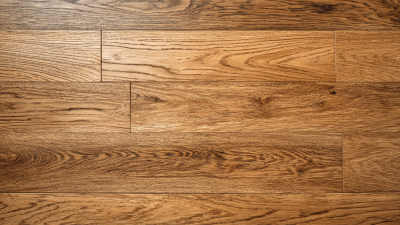
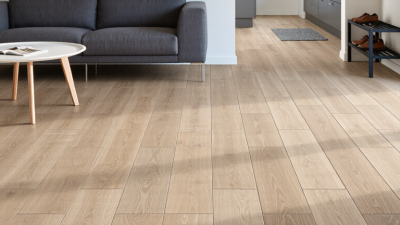
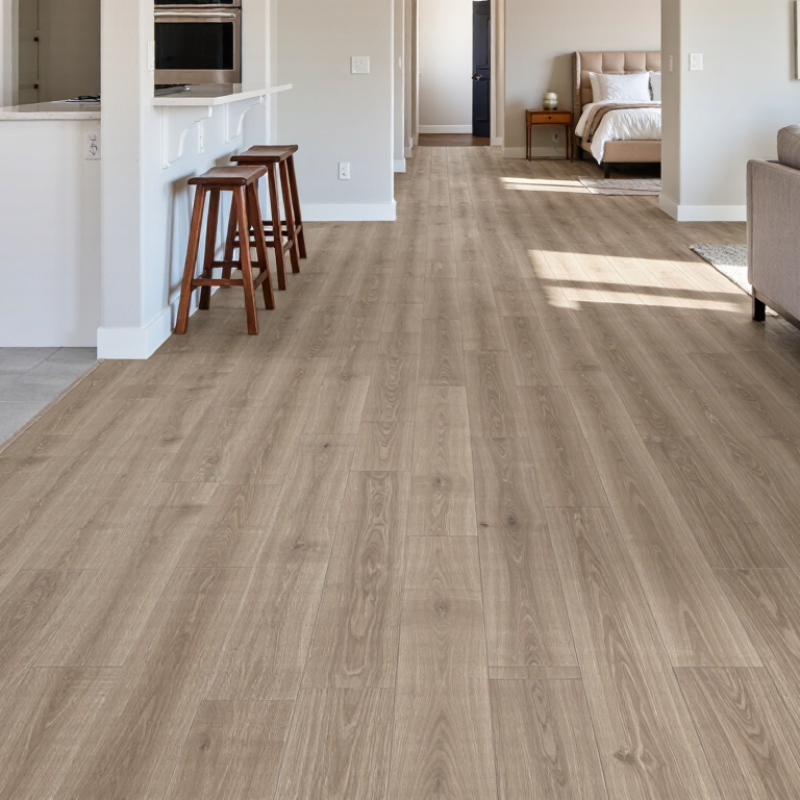
Luxury vinyl plank (LVP) borrows the long lines and grain patterns of hardwood without using solid wood. In 2026, the main choice is often between rigid and flexible construction. Rigid-core planks feel firm and can bridge minor surface variations. They cannot correct an uneven subfloor. Flexible planks bend more easily and may be simpler to trim around posts or tight corners. They can also reveal dips beneath them. That detail matters.
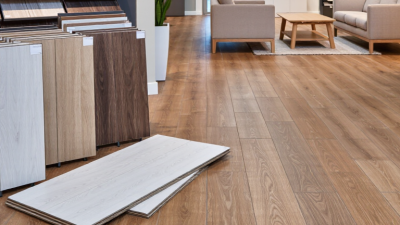
The right option depends on the room, subfloor, and installation method, not appearance alone. Check the wear layer, product instructions, and moisture requirements before buying. A plank sample beside a sunny window may look warmer or grayer than it did under store lighting. Walk on it, too. Some rigid floors sound sharper under shoes, while flexible products may feel softer; underlayment and subfloor preparation can change both impressions. I would not treat either construction as universally better. Even a convincing oak pattern can look repetitive across a large room, so inspect several planks together.
Luxury Vinyl Tile: Stone and Pattern Designs for Indoor Spaces
In 2026, luxury vinyl tile offers indoor spaces convincing stone effects and more expressive patterns. Its printed surface can echo limestone, slate, or terrazzo without the weight of quarried stone. A matte finish often looks calmer than a glossy one, especially beside daylight from a large window. Check samples at home. Store lighting can change their color.
Stone-look tiles suit entryways, kitchens, and bathrooms, where a unified surface can make compact rooms feel less busy. Patterned designs bring more character to a laundry room or dining nook. Keep grout lines and neighboring finishes in mind: a bold motif may compete with detailed cabinets or veined countertops. A small sample rarely tells the whole story. View several tiles together, and check how the repeat looks across a wider area.
For practical performance, compare wear-layer specifications and follow the flooring maker’s cleaning and installation guidance. LVT is water-resistant, but seams and the subfloor still matter; standing water can cause problems. The surface is not scratch-proof, either. Felt pads under chairs and prompt cleanup help limit everyday wear. I would not choose a dramatic pattern from a screen alone. It may feel different once it covers the room.
Sheet Vinyl: Seam-Light Flooring for Moisture-Prone Rooms
Sheet vinyl comes in broad rolls. That can leave bathrooms, kitchens, and laundry rooms with fewer joints than many plank layouts. Fewer seams. Water from splashes has fewer openings to reach the subfloor, but sheet vinyl is not waterproof at every edge. Poorly sealed perimeters, loose fittings, or a damp subfloor can still cause trouble. Not foolproof.
The choice fits rooms where small spills are routine and easy cleaning matters. Picture a washing machine drip beside a floor drain, or wet footprints near a tub. Check that the subfloor is dry, smooth, and stable before installation; bumps can show through the finished surface. The U.S. Environmental Protection Agency advises drying wet materials within 24–48 hours to limit mold growth. That is a useful reminder: moisture control depends on the whole room, not just the floor covering. Grand View Research’s 2024 Vinyl Flooring Market report estimated the global vinyl flooring market at USD 37.4 billion in 2023, with a projected 5.5% annual growth rate through 2030. That figure covers vinyl flooring broadly, not sheet vinyl alone, so it signals category demand rather than proving one format is best.
Sheet Vinyl Roll Widths: More Coverage, Fewer Seams
Common sheet vinyl roll widths are 6 ft and 12 ft (about 1.83 m and 3.66 m). A wider roll may cover more of a room in one piece, reducing the need for seams.
These are common format widths, not a guarantee of availability. Measure the room and check the product specifications; seams may still be needed in larger or irregular spaces.
How the Main Vinyl Floor Types Differ in Durability and Use
Sheet vinyl is a practical choice for kitchens, laundry rooms, and bathrooms. Its broad sheets leave fewer seams where spills can seep through. A dropped knife or heavy appliance can still cut or dent the surface, and repairs may show. The subfloor matters. Small bumps can become visible under thin vinyl.
Luxury vinyl planks and tiles offer more detail, including wood and stone patterns. Their separate pieces can be easier to replace than a full sheet. Durability depends partly on the wear layer and how the floor is installed. Click-lock planks suit many dry living areas, while glued-down tiles can stay put in busy rooms. Seams are not waterproof by default. That distinction is easy to miss.
Rigid-core vinyl, including SPC and WPC, is designed to resist dents and feel more stable underfoot. SPC typically feels firmer; WPC often feels a little softer. Neither makes a poor subfloor disappear. For shops and corridors, vinyl composition tile can handle heavy foot traffic, but it usually needs regular polishing. Maintenance takes time. Before choosing, compare the product’s wear-layer details with the room’s actual traffic, and check installation requirements. A sample can look convincing in a showroom yet feel quite different under kitchen lighting.