Top 10 Sports Flooring Options for Global Buyers Today?
As the world of sports evolves, so does the importance of choosing the right sports flooring. Athletes, coaches, and facility managers face a plethora of options. Selecting the best surface can enhance performance and ensure safety. Each type of sports flooring has its unique qualities and potential drawbacks.
From hardwood to synthetic materials, the choices can be overwhelming. Understanding the impact of these surfaces on training and competition is crucial. Some surfaces may not provide adequate cushioning, risking injury. Others could lack the traction needed for specific sports. It’s essential to weigh these factors carefully.
This guide will explore the top ten sports flooring options available to global buyers today. We will evaluate their benefits and challenges. Making an informed choice can lead to better athletic performance and longevity. Hence, having a keen eye on these elements is pivotal for every stakeholder in the sports community.
Understanding the Importance of Sports Flooring in Athletic Performance
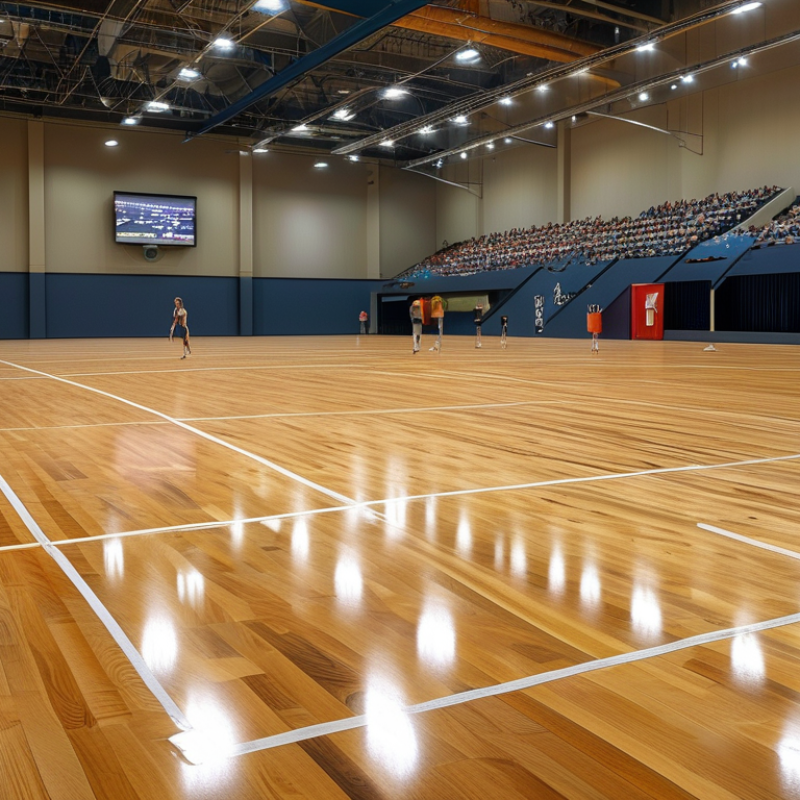
The significance of sports flooring cannot be overstated in enhancing athletic performance. Proper flooring absorbs impact and reduces the risk of injury. Athletes perform better when they have the right surface underfoot. The right type of flooring can support dynamic movements and improve agility. For instance, hardwood surfaces provide excellent traction and stability for indoor sports.
Consideration of material is crucial. Different sports demand unique flooring properties. For example, running tracks require a softer material for adequate shock absorption. A hard surface might hinder performance and lead to overuse injuries. Additionally, proper maintenance is key. A worn-out floor can affect performance quality and create hazards.
Understanding the needs of specific sports is vital. Incorporating feedback from athletes ensures the selected flooring meets performance standards. Regular evaluations are necessary to address safety concerns and enhance playability. This approach fosters an environment where athletes feel confident in their performance.
Balancing aesthetics with functionality enhances overall engagement. Sports flooring truly plays a foundational role in the success of athletes.
Key Factors to Consider When Choosing Sports Flooring Materials
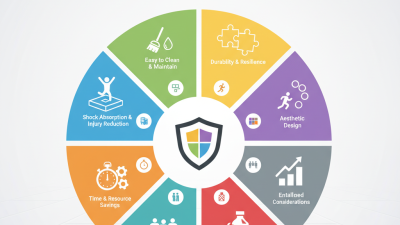
When selecting sports flooring, several key factors must be considered. Performance is paramount. The right surface reduces injuries and enhances playability. Think about the type of sports that will be played. Different activities demand different flooring characteristics.
Durability is another vital factor. Sports flooring needs to withstand heavy use. Look for materials that can endure wears, such as high-impact foot traffic. Easy maintenance is also crucial. Some materials are easier to clean and maintain than others.
Tips: Always check the flooring’s shock absorption capabilities. This feature can significantly reduce injury risk. Also, consider the flooring’s resilience to moisture and temperature changes. Lastly, verify if the product meets safety regulations for sports environments. Remember, a well-chosen floor can elevate performance while ensuring safety.
Top 10 Sports Flooring Options
Overview of Popular Sports Flooring Types and Their Features
When choosing sports flooring, various options offer distinct benefits. Resilient flooring types, like rubber and vinyl, are popular. They provide excellent shock absorption, which reduces the risk of injuries. Additionally, these materials are easy to clean and maintain. However, the durability may vary depending on the environment.
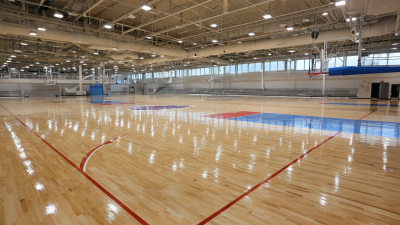
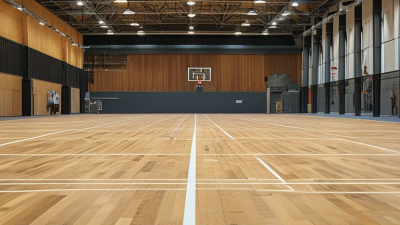
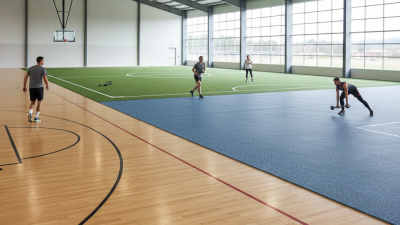
Wooden sports floors are traditional yet timeless. They deliver superior aesthetics and natural shock absorption. Basketball courts often use this material. Nonetheless, they require regular maintenance to prevent warping and damage from moisture. In humid climates, this can be challenging.
Synthetic surfaces, such as polyurethane, are gaining traction. These options offer consistent performance for various sports. Their versatility suits indoor and outdoor settings. However, they might not provide the same level of comfort as other options. Making the right choice depends on specific needs and usage patterns.
Top 10 Sports Flooring Options for Global Buyers Today
| Flooring Type |
Material |
Durability |
Maintenance |
Cost per sq. ft. |
| Hardwood |
Wood |
High |
Moderate |
$5 - $10 |
| Rubber |
Synthetic |
Very High |
Low |
$3 - $7 |
| Laminate |
Composite |
Moderate |
Moderate |
$2 - $5 |
| Carpet |
Fabric |
Low |
High |
$1 - $4 |
| Vinyl |
Synthetic |
Moderate |
Low |
$2 - $6 |
| Cork |
Natural |
High |
Moderate |
$4 - $8 |
| Synthetic Turf |
Plastic |
Very High |
Low |
$5 - $15 |
| Foam |
Synthetic |
Moderate |
High |
$2 - $5 |
| Sports Tile |
Composite |
High |
Low |
$3 - $10 |
| Bamboo |
Natural |
High |
Moderate |
$4 - $9 |
Comparative Analysis of Cost vs. Durability for Each Flooring Option
When selecting sports flooring, cost and durability are crucial factors. Different materials offer various benefits and drawbacks. Rubber flooring is favored for its shock absorption and longevity. It often costs more upfront but can last for decades.
Vinyl flooring is another popular choice. It is less expensive than rubber, making it appealing for budget-conscious buyers. However, its lifespan may not match that of rubber. Wear and tear can lead to quicker replacements. Wooden floors, while aesthetically pleasing, can be costly. They demand regular maintenance, impacting long-term expenses.
A less common option is artificial turf. It provides durability and looks great. Initial costs can be high, but savings on maintenance and water can offset this. Evaluating each flooring option requires understanding specific needs. Factors include the type of sport, frequency of use, and environment. Each choice has its own trade-offs, making research essential.
Trends in Sports Flooring Innovations and Sustainability Practices
In recent years, the sports flooring industry has seen remarkable innovations. Manufacturers are focusing on sustainable materials that reduce environmental impact. Many options now utilize recycled products for their surfaces. This shift not only preserves natural resources but also enhances performance.
Another trend is the use of bio-based materials. These options offer durability while being eco-friendly. For example, cork and natural rubber are gaining popularity in gymnasiums and sports arenas. They provide excellent shock absorption, which is crucial for athlete safety.
However, the push for sustainability is not without challenges. It can drive up production costs. Not all consumers prioritize eco-friendliness over cost. This creates a dilemma for manufacturers striving to balance sustainability and affordability. As the industry evolves, the dialogue on these issues remains vital for future advancements in sports flooring.