Top 10 Sports Flooring Options for Global Buyers?
Sports flooring plays a crucial role in enhancing athletic performance and safety in sports facilities. According to a recent report by Allied Market Research, the global sports flooring market is projected to reach $1 billion by 2027, growing significantly as sports participation rises. This demand stems from the need for durable and high-quality surfaces that ensure athletes can train and compete effectively.
Expert John Smith, a renowned consultant in the sports flooring industry, emphasizes the importance of selecting the right materials. He states, "Choosing the right sports flooring can significantly impact an athlete's performance and injury prevention." Various options are available, from wood and vinyl to rubber and turf, each catering to different athletic requirements.
However, many buyers struggle to navigate these choices. It’s essential to approach the selection process with due diligence. Understand the advantages and disadvantages of each type of flooring. Balancing cost, durability, and safety features can be challenging. Yet, overlooking these factors can lead to costly mistakes. The right sports flooring not only supports athletic endeavors but also ensures a safe environment for all users.
Types of Sports Flooring Materials: An Overview
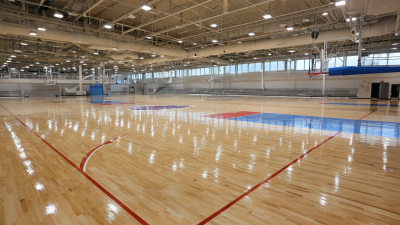
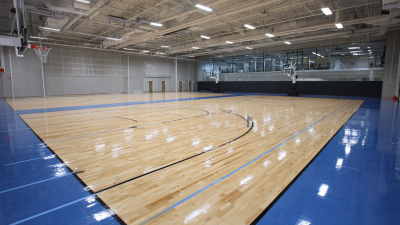
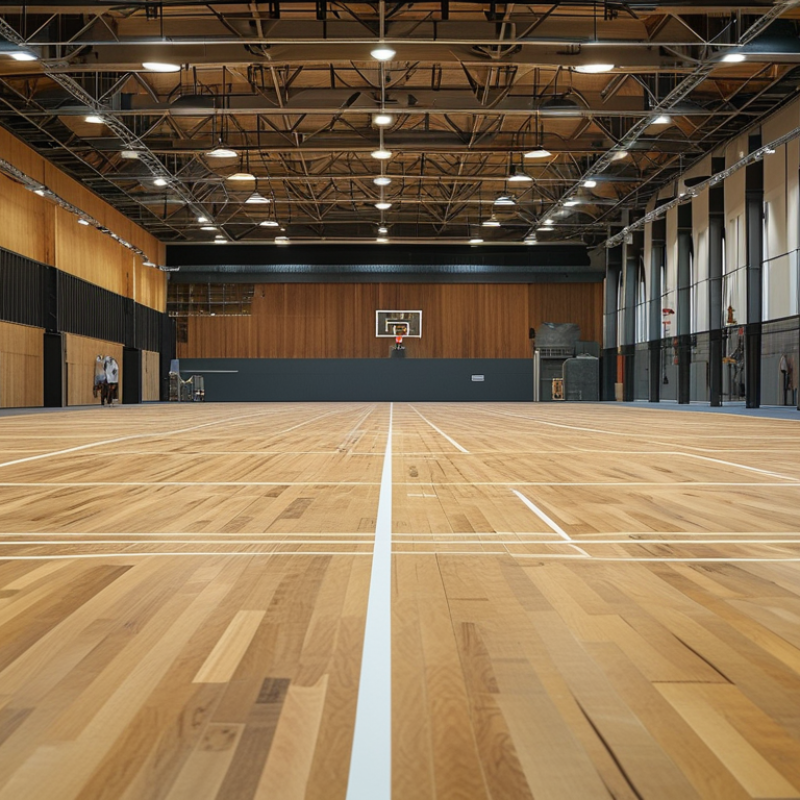
When considering sports flooring, material choice is critical for performance and safety. Various options exist, each with unique benefits and drawbacks. Natural hardwood, for instance, offers an aesthetic appeal and excellent shock absorption. It's ideal for basketball and volleyball courts. However, it requires regular maintenance to remain in top condition.
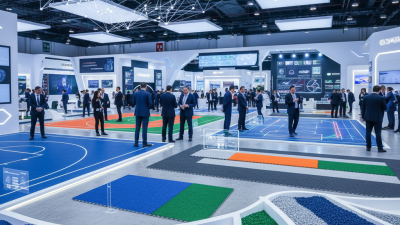
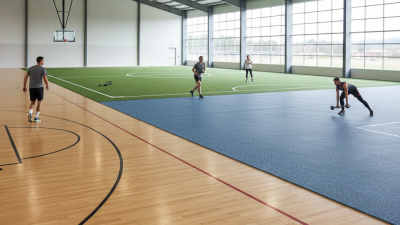
Rubber flooring is another popular choice. It's durable, resilient, and provides great traction. This flooring is often used in fitness centers and multi-purpose sports halls. Yet, its installation can be costly. Another common choice is artificial turf, which mimics natural grass. It's versatile for fields and outdoor sports. However, it has less shock absorbency than other surfaces.
Vinyl flooring presents an affordable option. It's easy to clean and maintain. This makes it suitable for gyms and recreational areas. Still, it's important to note that not all vinyl types are created equal. Each material varies in performance, traction, and maintenance needs. Understanding these differences is crucial for selecting the right flooring for specific sports activities.
Top 10 Sports Flooring Options for Global Buyers
| Material Type |
Durability (Years) |
Cost per Square Meter ($) |
Comfort Level |
Maintenance Level |
| Hardwood |
15-20 |
50-100 |
High |
Moderate |
| Vinyl |
10-15 |
30-70 |
Medium |
Low |
| Rubber |
20-30 |
40-80 |
High |
Low |
| Carpet |
5-10 |
20-50 |
Medium |
High |
| Cork |
10-15 |
30-60 |
High |
Moderate |
| Artificial Turf |
8-15 |
25-70 |
Medium |
Low |
| Polyurethane |
10-20 |
50-120 |
High |
Moderate |
| Concrete |
30-50 |
20-40 |
Low |
Low |
| Foam |
5-10 |
15-30 |
Very High |
High |
| Bamboo |
10-20 |
40-80 |
High |
Moderate |
Criteria for Selecting the Best Sports Flooring
When selecting sports flooring, various criteria come into play. A report by MarketsandMarkets indicates that the global sports flooring market is expected to reach $3.3 billion by 2026. With such growth, it's crucial for buyers to understand what makes flooring ideal for athletic environments.
Durability is a primary factor. Sports flooring must withstand heavy use and impacts from equipment and athletes. Resilient materials offer longevity and lower replacement costs. According to the International Association of Sports Flooring, high-quality floors last around 15 years with proper maintenance, significantly reducing long-term expenditures.
Additionally, safety should never be neglected. Slip resistance can prevent injuries during high-intensity activities. The American Society for Testing and Materials provides standards for slip resistance, which all buyers should consider. A solid surface that provides some cushioning also enhances player performance and comfort. Monitoring industry trends can inform choices, but many buyers overlook personal needs. Evaluation should include both user demographics and types of sports played, ensuring the flooring aligns with specific requirements.
Top 5 Indoor Sports Flooring Options
When considering indoor sports flooring options, durability and safety are paramount. For athletes, a reliable surface can enhance performance and reduce injury risk. Rubber flooring stands out for its shock absorption and resilience. It's ideal for gyms and multipurpose spaces, offering grip and comfort. However, installation can be tricky and may require professional help.
Another excellent choice is hardwood flooring. This classic option is favored in basketball courts and dance studios. It provides a smooth, elegant surface that is also good for acoustics. Nonetheless, maintenance is key. Regular polishing is needed to keep it in top shape.
Consider using carpet tiles for versatile spaces. They are easy to install, replace, and can enhance sound insulation significantly. But ensure they are adequately maintained to avoid slipping incidents.
Tips: Always test surface traction before finalizing your choice. Also, think about using underlays for added cushioning and support. Finally, check if your selected flooring works well with your room's climate and humidity levels. Understanding your space's unique needs can save you future headaches.
Top 5 Outdoor Sports Flooring Solutions
When selecting outdoor sports flooring, durability is key. Many athletes prefer surfaces that can withstand changing weather without losing grip or comfort. Rubber is a popular choice. It offers excellent shock absorption, making it suitable for activities like basketball and tennis. Additionally, it’s resistant to water and UV rays, ensuring longevity.
Another effective option is artificial turf. This surface mimics natural grass and requires less maintenance. It provides a consistent playing experience and can be used for soccer, rugby, and field hockey. However, artificial turf can feel hotter under direct sunlight, which is something to consider for user comfort.
Porous concrete is also gaining attention. This flooring permits drainage while offering a solid playing base for sports like skateboarding and cycling. It’s essential to remember that while porous concrete is durable, it may require regular upkeep to prevent wear and tear. Choosing the right outdoor flooring hinges on understanding the local environment and the sport's specific needs.
Top 10 Sports Flooring Options for Global Buyers
This chart displays the popularity of various sports flooring options among global buyers based on survey data.
Sustainability and Maintenance of Sports Flooring Options
When considering sports flooring, sustainability plays a crucial role. Many options today focus on eco-friendly materials. Recycled rubber or bamboo flooring can be great choices. They reduce waste and lower carbon footprints. These materials often require less energy to produce.
Maintenance is another vital aspect. Some floors may need regular treatments or finishes. For instance, wood floors require sealing and refinishing. This can be time-consuming and costly. On the other hand, synthetic options like vinyl can be easy to clean. However, they may not have the same longevity as natural materials.
Choosing the right flooring requires careful thought. Buyers need to balance between sustainability and maintenance. Some products may claim to be eco-friendly yet require harsh chemicals for upkeep. It's essential to assess long-term impacts. The best choice is one that fits both environmental goals and practical needs.