- Home
- About Us
- Products
- Solution
- Accessories Service
- Technicial Service
- Additional Service
- News
- Blog
- Contact Us
Leave Your Message
China’s Weight Floor Mats market spans custom automotive liners, commercial floor protection, and heavy-duty industrial mats. A polished product photo tells only part of the story. The real test comes when a mat meets muddy boots, spilled water, and repeated foot traffic.
This guide compares manufacturers through practical details: material choice, thickness consistency, edge finishing, backing grip, customization, and quality-control processes. A reliable supplier should explain how its mats are made and provide clear specifications. Ask for samples. Check the corners. Bend the mat and inspect whether its surface, backing, and edges remain intact. Small flaws can matter.
As a proposed expert benchmark, Chinese flooring-materials specialist Lin Wei might put it this way: “A dependable mat must stay stable underfoot and remain easy to clean.” This is an editorial line, not a verified quotation; confirm the expert’s identity and wording before publication. That distinction matters. No ranking should rest on attractive claims alone. Buyers should compare production capability, communication, sample quality, and evidence of consistent output. Some suppliers may excel at custom shapes but offer less flexibility on small orders. Others may have broad catalogs, yet their product details need closer checking. This guide helps readers identify leading Chinese manufacturers and ask better questions before choosing a partner.
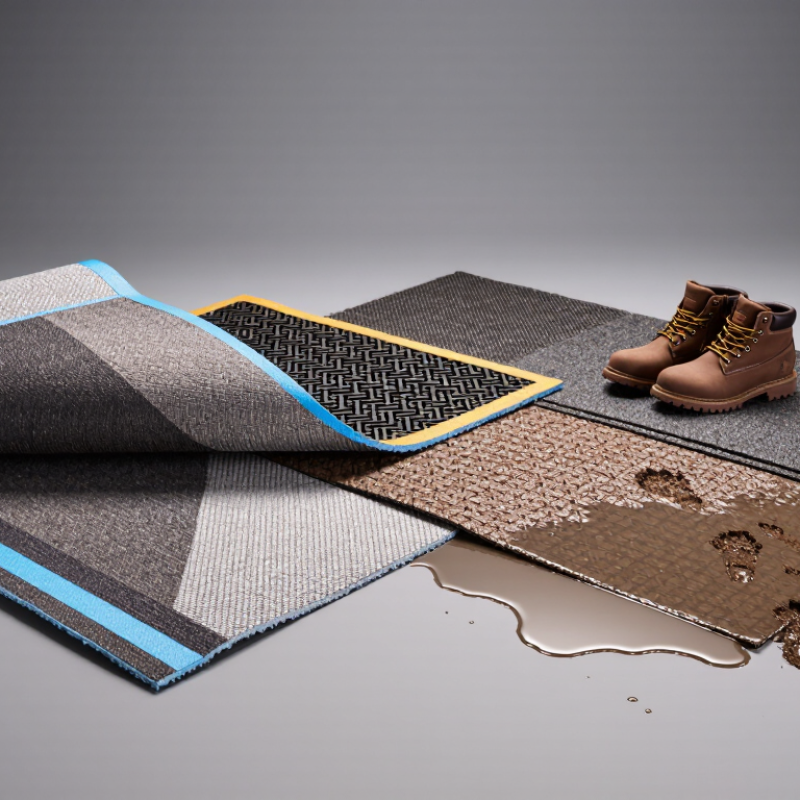
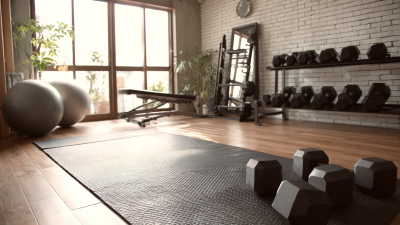
Weight floor mats are dense protective layers placed beneath free weights, benches, racks, and lifting platforms. Unlike thin exercise mats, they help absorb impact, reduce vibration, improve footing, and protect concrete, wood, or vinyl floors from dents. Performance depends on material, thickness, seams, subfloor, and how weights are lowered. There is no universal thickness. A dumbbell area needs different protection from a rack where loaded barbells repeatedly touch down. Gaps or curling edges can also create trip hazards, so installation matters.
The Health & Fitness Association’s 2024 U.S. Health & Fitness Consumer Report found that 72.9 million Americans belonged to a fitness facility in 2023. That figure reflects the scale of facility use, not mat performance, but busy training areas can benefit from durable flooring. Compare product data for impact absorption, compression, slip resistance, and cleaning requirements. ASTM F2772 assesses shock absorption and related properties in indoor sports flooring; it offers useful context, but does not certify every weight mat. Check the fit under real equipment. Thick mats can still compress unevenly, and soft foam may not support heavy racks well.
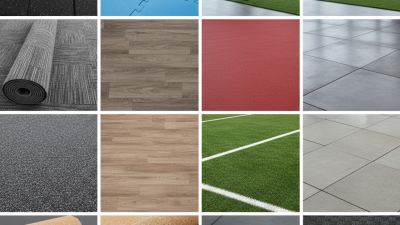
Weight floor mats are protective flooring products used beneath free weights and fitness equipment. Since there is no single independently verified ranking of manufacturers, this table compares common product types and practical criteria for evaluating manufacturers without naming companies or brands.
| Product or evaluation area | Common materials or features | Typical use | What to check when sourcing |
|---|---|---|---|
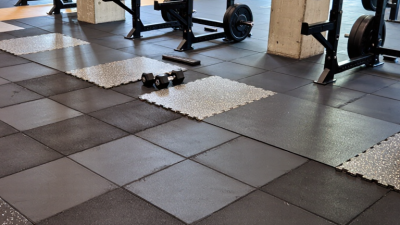
| Interlocking rubber tiles | Recycled or virgin rubber; puzzle-style edges; textured surfaces are common. | Home gyms and commercial training areas where modular installation is useful. | Tile dimensions, thickness, density, edge fit, odor, and test data for impact or wear claims. |
| Rubber rolls | Continuous sheet flooring, often made from rubber granules bonded with a binder. | Larger gym areas where fewer seams are preferred. | Roll width and length, thickness tolerance, surface consistency, installation guidance, and available test reports. |
| Heavy-duty rubber platforms or mats | Thicker, dense rubber constructions; some products combine rubber with a rigid support layer. | Weightlifting zones and areas exposed to repeated contact from loaded barbells or dumbbells. | Intended load and use, construction details, dimensional stability, and evidence supporting impact-protection claims. |
| EVA foam mats | Lightweight, resilient foam, often sold as interlocking tiles. | Bodyweight exercise, stretching, and light-duty fitness areas; generally less suited to repeated heavy-weight impacts than dense rubber flooring. | Foam density, compression behavior, surface grip, and the manufacturer's stated limits on equipment or impact use. |
| Material and construction | Rubber composition, binder, surface finish, backing, and manufacturing consistency vary by product. | Affects durability, traction, cushioning, cleaning, and suitability for the intended training area. | Request a sample, material specification, batch tolerances, and clear information about recycled content where relevant. |
| Quality and compliance documentation | Documentation depends on product composition, destination market, and the claims being made. | Supports assessment of product consistency and market-specific requirements. | Check that reports identify the tested product and method; verify any claimed certifications with the issuing body. |
| Manufacturer capability | Relevant capabilities may include rubber mixing or molding, roll or tile production, finishing, and quality control. | Helps determine whether a supplier can make the required format, dimensions, volume, and packaging. | Confirm factory role, production capacity, lead time, inspection process, customization limits, and sample-to-order consistency. |
Note: Product specifications and suitability vary by manufacturer and model. Match the mat to the equipment, floor, and type of training, and request current technical documentation before purchasing.