- Home
- About Us
- Products
- Solution
- Accessories Service
- Technicial Service
- Additional Service
- News
- Blog
- Contact Us
Leave Your Message
A wet entryway can turn an ordinary workday into a costly interruption. In its 2024 Workplace Safety Index, Liberty Mutual estimated that same-level falls cost U.S. employers $10.5 billion in direct workers’ compensation costs in 2022. That figure does not mean every fall can be prevented with matting. It does show why flooring choices deserve attention.
A well-selected Rubber Mat can add traction, cushion standing areas, and help contain moisture near entrances, sinks, or production lines. Picture rainwater tracked across a tile lobby, or a worker standing for hours on a hard concrete floor. The right mat may improve comfort and reduce some slip hazards, but fit, drainage, cleaning, and placement matter. A curled edge or poorly maintained surface can create a hazard of its own.
For a reliable purchasing guide, expert comments should be checked against a published interview or report. No source material or verifiable Rubber Mat industry expert quotation was provided here, so I will not invent a name or quote. That restraint matters: business buyers need evidence, not confident-sounding claims. Use the following outline to compare mat types, evaluate workplace needs, and ask suppliers specific questions before choosing.
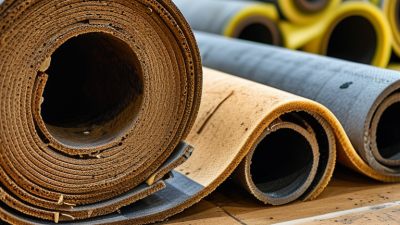
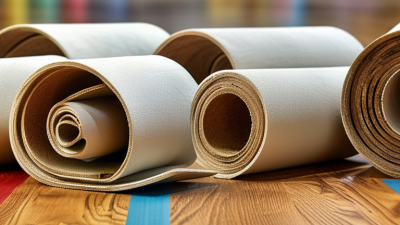
A rubber mat is a flexible floor covering made from natural rubber, synthetic rubber, reclaimed rubber, or a blend. Its final feel depends on the compound: a shop-floor mat may be firm and dense, while an anti-fatigue mat often has a softer, springier surface. Makers mix rubber with fillers, pigments, and other additives to adjust grip, color, wear resistance, and cost. The recipe matters.
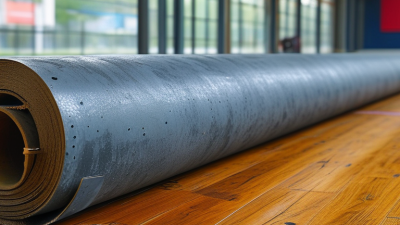
Production usually begins by blending and kneading the ingredients until the compound is consistent. It is then pressed or molded into sheets, rolls, or textured shapes and heated to cure. Curing links the rubber molecules, helping the mat hold its shape under repeated foot traffic. Recycled tire rubber can also be granulated and bound into mats. Small details count: uneven heat or poor mixing may leave weak spots. The process is not perfectly uniform.
The International Rubber Study Group’s 2024 market statistics place global natural-rubber production near 14.5 million tonnes in 2023. That figure describes an enormous raw-material market, not the amount used for mats; many products also contain synthetic or recycled rubber. For buyers, material labels alone are not enough. ASTM D412 measures tensile properties, while ASTM D624 evaluates tear resistance—useful tests when comparing durability claims. Ask for test details. A mat’s texture, thickness, and backing also affect how it performs on a wet entrance or beside a workbench.
| Mat Type | What It Is Made From | How It Is Commonly Made | Useful Characteristics | Typical Business Uses | Points to Consider |
|---|---|---|---|---|---|
| Natural rubber mat | Natural rubber, generally blended with other ingredients to achieve the required flexibility, strength, and wear resistance. | The rubber compound is mixed, shaped in a mold or through a continuous process, and vulcanized with heat to form a durable elastic material. | Flexible, resilient, and able to provide grip and cushioning. Often suitable for areas where workers stand or walk repeatedly. | Workstations, entrances, service areas, and general-purpose commercial floors. | Some natural-rubber products may be affected by oils, solvents, or prolonged outdoor exposure. Check the product’s chemical and environmental suitability. |
| Nitrile rubber mat | Nitrile butadiene rubber (NBR), a synthetic rubber commonly selected for resistance to oils and fuels. | NBR is compounded with other ingredients, formed into sheets or molded shapes, and vulcanized. Surface patterns or drainage features can be incorporated during forming. | Generally offers better resistance to many petroleum-based oils and greases than standard natural rubber. | Workshops, maintenance areas, commercial kitchens, and industrial workstations where oil exposure is expected. | Resistance varies by formulation and by the specific chemical, temperature, and exposure time. Confirm compatibility before use. |
| EPDM rubber mat | EPDM (ethylene propylene diene monomer), a synthetic rubber known for weather and ozone resistance. | The EPDM compound is mixed, molded or extruded, then vulcanized. It may be produced as a solid sheet or as a molded mat. | Performs well in many outdoor conditions and is commonly resistant to sunlight, ozone, and weathering. | Outdoor walkways, entry areas, and locations exposed to changing weather. | EPDM is generally not the preferred choice for contact with petroleum oils or fuels; check the manufacturer’s material specifications. |
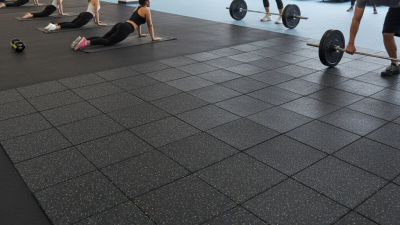
| Recycled rubber mat | Often made from processed recycled rubber, such as tire-derived rubber granules, combined with a binder. Exact content varies. | Rubber is ground into granules, blended with a binder, placed in a mold, and pressed or cured into a mat or tile. | Can make use of recovered rubber and is available in varied thicknesses, textures, and formats. | Gyms, loading areas, workshops, and other spaces needing a tough, cushioned surface. | Odor, surface finish, water permeability, and performance depend on the rubber and binder used. Review product data for indoor use and cleaning requirements. |
| Rubber drainage mat | Typically natural, synthetic, or recycled rubber, formed with openings or raised drainage channels. | The rubber compound is molded or cut into a pattern that allows water and debris to pass through or collect below the walking surface. | Open construction can help keep the top walking surface clearer of standing water and debris. | Food-service back areas, wet work zones, changing areas, and outdoor entrances. | Choose a design that can be lifted and cleaned regularly. Drainage mats do not replace suitable floor drainage or cleaning procedures. |
| Anti-fatigue rubber mat | Usually a resilient rubber compound; some designs combine rubber with a foam or other cushioning layer. | Made by molding or laminating materials into a surface designed to provide controlled cushioning underfoot. | Provides a more yielding surface than hard flooring and may improve comfort for people who stand for extended periods. | Retail counters, packing stations, production lines, and service desks. | Thickness, firmness, edge design, and floor stability affect suitability. Select a mat that lies flat and does not create a trip hazard. |
Rubber mat properties depend on the specific compound and construction. Check product specifications for slip resistance, chemical compatibility, cleaning instructions, and suitability for the intended environment.