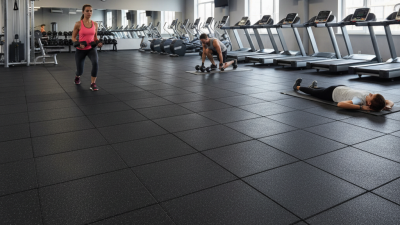
2026 Top Rubber Floor Rolls for Durable and Stylish Flooring Solutions?
In the rapidly evolving flooring industry, Rubber Floor Rolls have emerged as a top choice for both durability and style. According to recent reports by the Flooring Industry Council, the demand for rubber flooring has seen a significant rise, particularly in commercial spaces. Experts predict a growth rate of 10% annually until 2026, driven by the increasing focus on sustainability and versatility in flooring options.
John Mitchell, a flooring specialist with over 15 years of experience, states, "Rubber Floor Rolls are not just practical; they offer a unique aesthetic that appeals to modern consumers." This sentiment highlights the evolving preferences in design and functionality. With applications ranging from gyms to schools, these rolls provide excellent shock absorption and slip resistance.
Despite their benefits, selecting the right product can be challenging. As the market diversifies, discerning quality from cheaper alternatives is vital. Many consumers overlook the importance of installation and maintenance. Choosing the appropriate Rubber Floor Rolls involves deeper research and a clear understanding of specific needs.
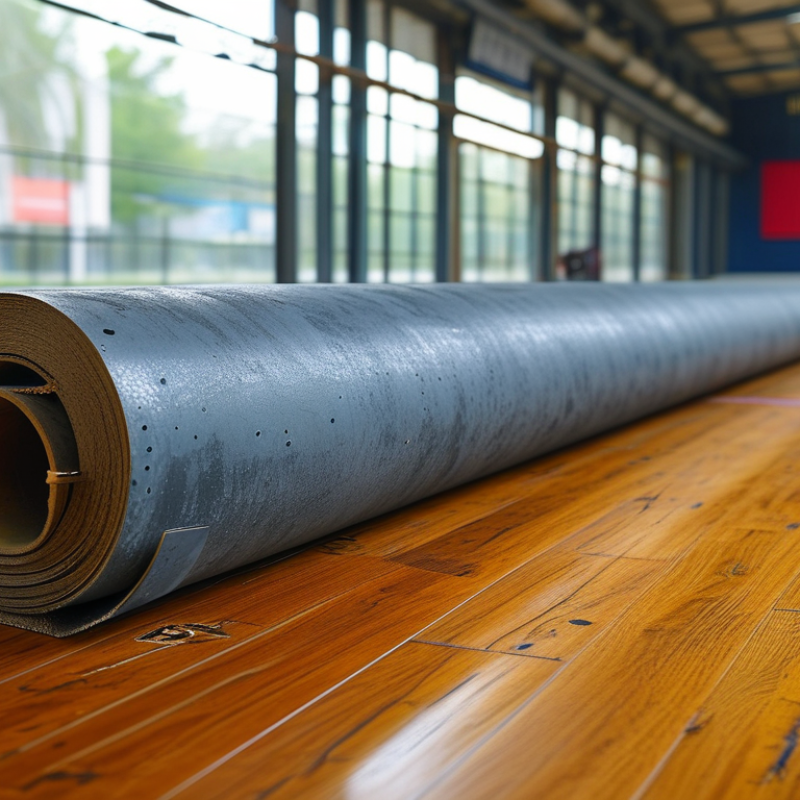
2026 Market Trends in Rubber Flooring Solutions: What to Expect
As we look ahead to 2026, the rubber flooring market is poised for significant growth. According to a recent report by the Global Rubber Flooring Association, the sector is projected to increase by over 8% annually. This growth is driven by the rising demand for sustainable and versatile flooring solutions across various sectors, including residential, commercial, and industrial.
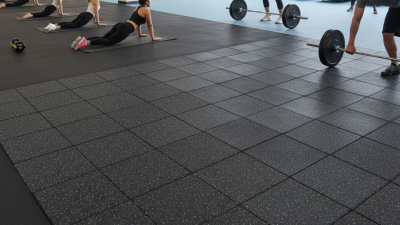
The durability of rubber flooring makes it an attractive choice for busy environments. Facilities that require high-performance surfaces, like gyms and hospitals, often select rubber for its resilience. Furthermore, the aesthetic options have expanded. Manufacturers are now offering a wide range of colors and textures, catering to design-conscious consumers. This shift is not just about function; style plays a crucial role in decision-making.
Tip: When choosing rubber flooring, consider the maintenance requirements and the intended usage area. Lightweight products might not hold up well in high-traffic locations. It’s essential to evaluate long-term performance versus initial cost.
Despite this positive outlook, challenges persist. Many suppliers face issues with sourcing sustainable materials. Consumer awareness of eco-friendly products is rising. However, the industry grapples with balancing performance with environmental impact. A thoughtful approach can lead to better outcomes in both areas.
Tip: Explore different types of rubber flooring before deciding. Look for options that fit both your budget and environmental values. Checking certifications for eco-friendliness is a wise step.
Key Benefits of Rubber Floor Rolls: Durability and Aesthetic Appeal
Rubber floor rolls provide both durability and aesthetic appeal, making them a popular choice for various settings. According to industry reports, rubber flooring can withstand significant wear and tear. In fact, it has a lifespan of up to 20 years in high-traffic areas. This incredible durability stems from rubber's ability to absorb shock and resist scratches. It can be a smart choice for schools, gyms, and commercial spaces.
The aesthetic versatility of rubber floor rolls cannot be ignored. They are available in a range of colors, patterns, and finishes. Reports indicate that using vibrant colors can enhance mood and increase productivity. Furthermore, rubber flooring is easy to maintain, which is crucial for busy environments. However, it’s essential to note that improper installation may lead to issues like curling edges or unsightly seams. These flaws can undermine the floor's overall appeal and longevity.
Beyond functionality, rubber flooring contributes to better acoustics in any space. Its sound-dampening properties can reduce noise levels in bustling environments. This makes rubber floor rolls an excellent choice for areas where quiet is paramount. Yet, not every rubber flooring type is created equal. Some may emit strong odors when first installed. Selecting the right product is essential to avoid this concern and ensure a successful flooring project.
Top Brands in Rubber Flooring: Industry Leaders and Their Innovations
When it comes to rubber flooring, various brands have made significant strides in recent years. Each company showcases unique innovations that appeal to architects and homeowners alike. For example, some brands focus on eco-friendly materials, aiming to reduce the impact on the environment. Others prioritize technology, offering interlocking tiles for easier installation.
Durability is a common theme across top brands. Many rubber flooring products are engineered to withstand heavy foot traffic and resist scratches. They are ideal for gyms, playrooms, and commercial spaces. However, consumers often overlook maintenance requirements. Some rubber floors may need regular cleaning to maintain their appearance and longevity.
Color and design options have also expanded. Brands now offer vibrant colors and textures that can transform an ordinary space into an eye-catching environment. Still, striking a balance between style and functionality can be challenging. With so many choices available, buyers often find themselves overwhelmed. Exploring various samples and researching extensively might help.
2026 Top Rubber Floor Rolls for Durable and Stylish Flooring Solutions
| Type of Rubber Flooring |
Thickness (mm) |
Roll Size (ft) |
Color Options |
Durability Rating (1-10) |
Eco-Friendliness |
| Commercial |
4 |
4 x 25 |
Black, Gray, Blue |
9 |
Yes |
| Gym |
8 |
4 x 20 |
Red, Green, Gray |
10 |
Yes |
| Playground |
12 |
5 x 20 |
Multicolor |
8 |
Yes |
| Residential |
6 |
4 x 10 |
Beige, Black, Brown |
7 |
Yes |
| Industrial |
10 |
3 x 30 |
Black, Yellow, Gray |
9 |
Yes |
Installation and Maintenance of Rubber Flooring: Best Practices Revealed
Rubber flooring offers significant advantages in both durability and aesthetics. Proper installation is crucial for maximizing these benefits. According to industry reports, improperly installed rubber rolls can lead to gaps and bubbles, compromising both appearance and function. Best practices recommend ensuring the subfloor is clean, dry, and level before beginning. A well-prepared base can enhance the longevity of the flooring by up to 30%.
Once installed, the maintenance of rubber flooring should not be overlooked. Regular cleaning can prevent the accumulation of dirt and grime. Experts suggest utilizing a pH-neutral cleaner and a soft bristle brush. This helps maintain the surface's integrity while keeping it visually appealing. Moreover, the right maintenance can extend its lifespan, potentially by over 20%. However, occasional inspection for wear and tear is essential. Recognizing signs of early damage can save costs on major repairs later.
Despite its benefits, some may disregard the need for professional advice during installation. This can lead to significant issues down the line. Even with the best materials, incorrect application can result in frustrations. Engaging with experts can provide insights that improve the overall outcome, resonating with the principle that preparation and knowledge are the pillars of satisfaction in flooring choices.
2026 Top Rubber Floor Rolls Durability and Style Ratings
This chart displays the ratings of various characteristics of the top rubber floor rolls in 2026. The evaluation includes aspects like color variety, durability, slip resistance, ease of installation, and cost-effectiveness, each rated on a scale of 1 to 10. These features help consumers in choosing the best flooring solution tailored to their needs.
Comparative Analysis: Rubber Flooring vs. Other Flooring Materials
When comparing rubber flooring to other materials, several factors come into play.
Rubber surfaces offer a high degree of durability.
According to a study by the Flooring Industry Council, rubber flooring can last up to 30 years with proper maintenance.
In contrast, vinyl and carpet usually need replacement every 5 to 10 years.
This longevity makes rubber a more sustainable choice over time.
Rubber provides superior slip resistance. The American Society for Testing and Materials (ASTM) rates rubber at a higher coefficient of friction compared to ceramic tiles and hardwood.
This feature is crucial in spaces prone to moisture, reducing the likelihood of accidents.
However, rubber can sometimes absorb odors and stains, requiring periodic cleaning and maintenance.
Another consideration is cost. While rubber flooring can have a higher initial cost than alternatives like laminate,
its lifespan contributes to long-term savings. An independent report indicates that rubber floors can save up to 30% in replacement and maintenance costs over two decades.
Some users may find the texture of rubber less appealing than the aesthetics of ceramic or hardwood.
This aspect can lead to buyer’s remorse if expectations are not managed.