2026 Best Rubber Mat for Quality and Durability What to Choose?
In the search for the best rubber mat for quality and durability, understanding the industry standards is crucial. A recent report by the Global Rubber Mat Market Research highlights a 5% growth rate in this sector over the past five years. Consumers increasingly demand products that offer both resilience and safety in various environments. Industry expert Dr. Ellen Rivers notes, "Choosing the right rubber mat can significantly impact safety and performance."
Selecting a rubber mat isn't merely a matter of aesthetics. Factors like traction, ease of cleaning, and material density greatly influence quality. The best options cater to specific needs—whether for commercial spaces or home gyms. Research shows that high-quality mats can last up to a decade with proper care.
However, it is important to consider the shortcomings as well. Some rubber mats can be heavy and may emit odor initially, affecting user experience. As we delve deeper, we'll explore various options available, weighing their pros and cons. Choosing the right rubber mat can lead to enhanced safety and durability, but the process requires thoughtful evaluation.
Types of Rubber Mats: Understanding Different Varieties and Uses
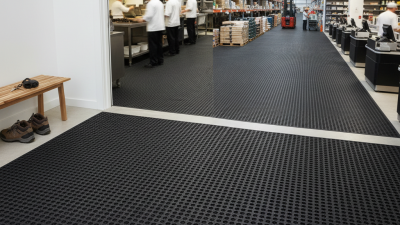
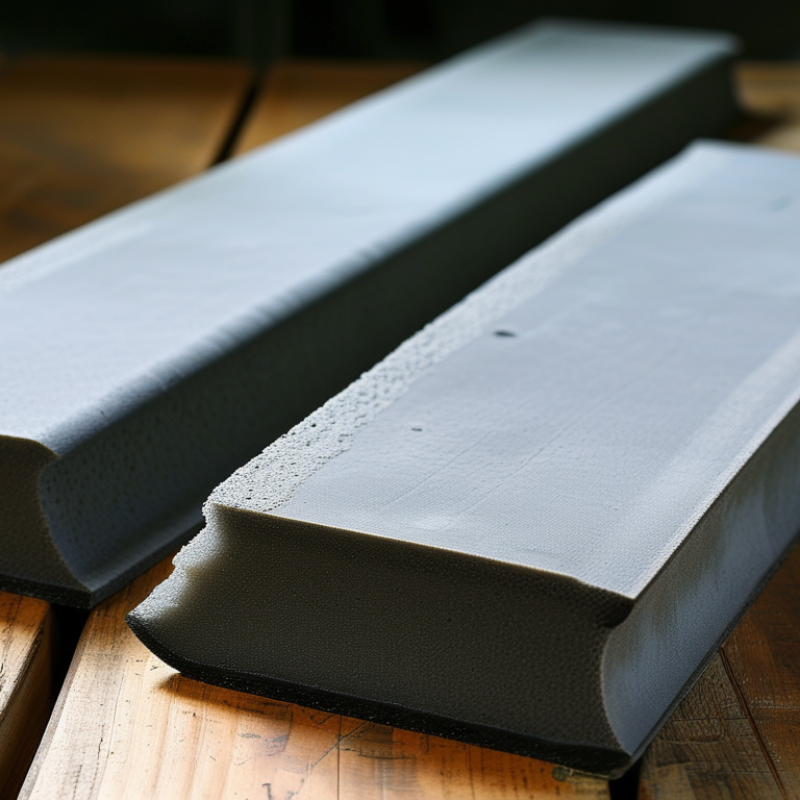
Rubber mats come in various types, each serving unique purposes. Understanding these options is crucial for selecting the right mat. For instance, anti-fatigue mats are designed for people who stand for long hours. These mats offer cushioning that can reduce discomfort in the legs and feet. They are often used in workplaces like kitchens and factories.
Another popular type is non-slip mats. These mats provide excellent grip, making them essential in areas prone to moisture, such as bathrooms or kitchens. Users appreciate their safety features. However, the texture can sometimes retain dirt and grime, requiring regular cleaning. Some may find them harder to maintain than anticipated.
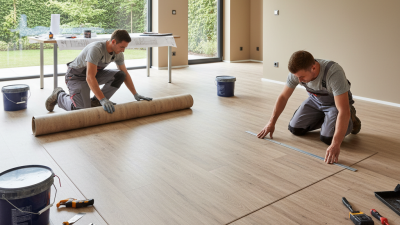
Interlocking rubber tiles are versatile. They allow you to customize the layout based on your needs. These tiles are often used in gyms or play areas, adding both comfort and a playful aesthetic. Yet, installation can be tricky for first-timers. If not placed correctly, gaps may appear. This can be a source of irritation, underscoring the importance of proper planning when choosing rubber mats.
2026 Best Rubber Mat for Quality and Durability
Criteria for Evaluating Quality in Rubber Mats: Key Features to Consider
When choosing a rubber mat, several key features significantly impact quality and durability. The material composition is crucial. High-quality rubber should be dense and resilient, resisting wear and environmental factors. According to industry reports, mats made from 100% rubber have a longer lifespan. Many low-cost alternatives use fillers, reducing durability.
Another important aspect is the texture and grip of the mat. A non-slip surface ensures safety, especially in wet or oily conditions. Data indicates that surfaces with a coefficient of friction above 0.6 provide optimal traction. Visibility and maintenance are also critical. Bright colors can help identify hazards, while mats designed for easy cleaning save time and effort.
Thickness and weight also matter. Thicker mats often absorb more shock, leading to reduced fatigue during prolonged use. A study suggests that mats with a thickness of ¾ inch offer significant comfort benefits. Weighing options based on these criteria helps ensure the chosen product meets specific needs. It is essential to research and compare before making a decision. Quality rubber mats can be an investment in safety and efficiency, enhancing overall workplace productivity.
2026 Best Rubber Mat for Quality and Durability
| Feature |
Description |
Importance |
| Material Quality |
High-grade rubber for better performance and longevity. |
Essential for durability and resistance to wear. |
| Thickness |
Different thickness levels for varying shock absorption. |
Critical for comfort and injury prevention. |
| Surface Texture |
Textured surfaces enhance grip and safety. |
Very important for preventing slips. |
| Water Resistance |
Resists water buildup and enhances longevity. |
Important for hygiene and maintaining structure. |
| Eco-Friendliness |
Made from recycled materials or sustainable sources. |
Increasingly important for environmental impact. |
| Maintenance |
Easy to clean and maintain over time. |
Crucial for usability and longevity. |
Durability Factors: What Makes a Rubber Mat Long-Lasting?
When selecting a rubber mat, understanding durability factors is crucial. Rubber mats come in various compositions, impacting their longevity. High-quality rubber compounds, reinforced with additives, enhance resistance to wear and environmental changes. According to industry reports, mats made from natural rubber can last up to 10 years, while synthetic variants may show different lifespans.
The thickness of the mat plays a vital role. Thicker mats, typically around 1/2 inch or more, provide better cushioning and withstand heavier loads. This is essential for high-traffic areas. Shock absorption properties reduce stress on flooring surfaces and minimize fatigue. However, not all mats achieve this balance. Some may appear durable but lack adequate support, leading to premature wear.
Another important factor is the mat's surface texture. Textured surfaces offer better grip but can trap dirt, requiring regular cleaning. On the other hand, smooth surfaces are easier to maintain but may pose safety risks. Lastly, the mat's resistance to chemicals also contributes to its overall lifespan. Mats exposed to harsh substances may degrade faster. Evaluating these factors aids in choosing a long-lasting option, though it can be tricky to navigate the diverse market.
Top Brands of Rubber Mats: A Look at the Market Leaders in 2026
As we delve into the rubber mat market in 2026, several brands stand out for their quality and durability. These leaders focus on user needs and have built their reputations on reliability. Customers often look for mats that provide comfort, safety, and long-term performance. The right rubber mat can enhance personal and professional spaces alike.
Many brands have invested in innovative materials that resist wear and tear. Their designs incorporate features like anti-slip surfaces and easy maintenance. However, it's crucial to recognize that not all products measure up. Some may advertise durability but fail under regular use. User reviews reveal valuable insights, highlighting experiences that can guide future purchases.
Quality often comes with a price. Consumers sometimes settle for cheaper alternatives, leading to dissatisfaction. A strategic investment in a trusted rubber mat pays off in the long run. By prioritizing quality, users ensure better protection, especially in high-traffic areas. Evaluating options with a discerning eye is essential for every buyer. Working with knowledgeable suppliers can also lead customers toward making the best choice.
Maintenance Tips for Rubber Mats: Ensuring Longevity and Performance
Proper maintenance of rubber mats is crucial for their longevity and performance. Regular cleaning helps eliminate dirt and debris. Use a mild detergent with warm water for more effective results. Avoid harsh chemicals that can damage the surface. When cleaning, use a soft brush or mop to gently scrub the mat. This prevents scratches and keeps the mat looking fresh.
Inspecting your rubber mat regularly is essential. Look for signs of wear or damage, such as cracks or tears. Minor issues can often be repaired. However, if the damage is extensive, replacement might be necessary. Placing mats in appropriate areas can also extend their life. For instance, avoid direct sunlight to prevent fading and degradation.
Storage is another key factor. When not in use, keep rubber mats in a cool, dry place. Rolling them instead of folding can prevent creasing and cracks. Remember, even the best-quality mats require care. Reflect on your cleaning routine and adjust as needed. Regular attention ensures a long-lasting, effective product.