How to Choose the Best Gym Flooring for Your Facility?
Choosing the best Gym Flooring begins with understanding how your facility will actually be used. A weight room needs impact resistance and stable footing. A studio requires comfort, traction, and quieter movement. A sprint lane demands speed, durability, and consistent grip. The right surface should support athletes without creating unnecessary strain.
Gym flooring specialist Chris Stakich advises, “The floor must fit the training, not merely the room.” That principle sounds simple, but it is often overlooked. A thick rubber tile may protect concrete beneath heavy racks. However, it can feel too firm during long mobility sessions. A softer surface may improve comfort, yet it could compress under repeated loads. There is no flawless material for every zone.
Look closely at the facility’s traffic, equipment, cleaning routine, and installation conditions. Measure how plates drop, where sweat collects, and how often the floor receives rolling loads. Dense rubber, rolled flooring, vinyl, foam, and turf each offer different strengths. Seams matter. Odor matters. Maintenance matters more than many buyers expect.
Budget should include delivery, subfloor preparation, adhesives, repairs, and future replacement. A cheaper product may cost more when damaged edges require frequent attention. Ask manufacturers for test data, warranty terms, slip resistance, and installation guidance. Visit a working facility if possible. Touch the surface. Walk on it.
Even experienced buyers can misjudge their needs. Reconsider assumptions before ordering. The best Gym Flooring is not simply thick, attractive, or affordable. It is the surface that remains safe, practical, and dependable under real daily training.
Define Your Facility’s Flooring Needs and Usage Patterns
Before selecting gym flooring, define how each area will actually be used. The 2024 SFIA Topline Participation Report recorded more than 242 million Americans participating in at least one sport or fitness activity in 2023. That scale reflects varied movement, not one universal flooring need. Map heavy-use zones, peak hours, equipment loads, and cleaning routines. A free-weight area needs dense, impact-resistant surfaces beneath dropped loads. Group-training rooms may require resilient flooring, stable footing, and better acoustic control. Wet entry points need slip resistance and easy maintenance.
Usage patterns should guide thickness and installation, not appearance alone. The 2024 ACSM Worldwide Survey of Fitness Trends placed traditional strength training among the leading global trends. This supports thicker protection beneath racks, platforms, and lifting lanes. In contrast, stretching and mobility areas may need a smoother, warmer surface under bare hands and knees. Check subfloor moisture, floor flatness, ventilation, and drainage before ordering. A beautiful surface can still fail on a damp slab.
Track real conditions for two weeks. Note dropped weights, cleaning frequency, rolling equipment, and noise complaints. A perfect specification is unlikely. I once underestimated cleaning traffic; the flooring looked suitable but required more labor than expected. That mistake changed the selection process. Ask installers for tested impact, slip, fire, and acoustic performance data, and compare those results with your facility’s actual demands. Metrics matter more than color.
How to Choose the Best Gym Flooring for Your Facility?
Define Your Facility’s Flooring Needs and Usage Patterns
Different training zones create different levels of impact, noise, and equipment load. Use the chart below as a practical planning reference when comparing flooring thickness for common gym areas.
Key takeaway: High-impact areas such as free-weight zones generally require thicker, denser flooring, while cardio and group-exercise areas can often use thinner surfaces. Final selection should also consider subfloor condition, equipment weight, cleaning requirements, installation method, and expected traffic.
Compare Gym Flooring Materials by Performance and Cost
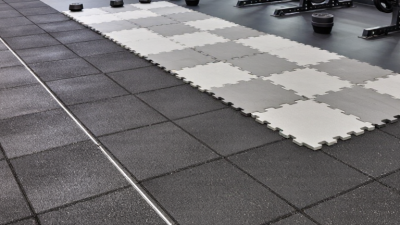
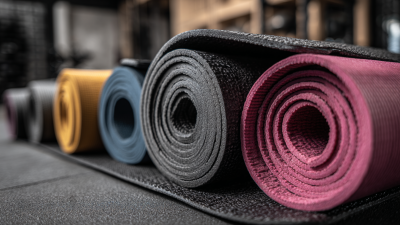
Choosing gym flooring starts with use, not appearance. A weight room needs impact control, while a studio needs comfort and stable footing. Rubber tiles usually provide strong shock absorption and resist dropped dumbbells. They also tolerate heavy traffic, but their odor and seams can frustrate users. Vinyl and PVC surfaces clean quickly and support smooth movement during group classes. However, they may dent under concentrated loads. Poured polyurethane offers a seamless finish and easy sanitation, yet installation requires careful subfloor preparation. It is not automatically the cheapest option.
Cost differences become clearer through lifecycle analysis. RSMeans 2024 construction cost data places commercial flooring installation broadly within $6–$20 per square foot, depending on material and labor conditions. Rubber often sits in the middle of that range. Wood usually costs more initially, but its spring and ball response suit court facilities. Grand View Research’s 2024 sports flooring report projects market growth of about 5% annually through 2030. That growth reflects rising demand for safer, more durable surfaces, not proof that every premium product performs better. Check ASTM impact and slip standards before comparing samples. In practice, I test flooring beside racks, sprint lanes, and wet cleaning zones. Small details matter. A beautiful surface can still fail at a rack edge. I would also budget for replacement tiles, because even durable floors eventually show concentrated wear.
Evaluate Safety, Comfort, Durability, and Maintenance Requirements
Choosing gym flooring starts with actual movement, not color or catalog photos. Walk through each training zone and record its risks. A weight area needs impact resistance, stable footing, and protection from dropped equipment. A stretching room needs softer support under knees and hands. In cardio spaces, traction matters when sweat reaches the floor. I once evaluated a busy studio where smooth flooring became slippery near water stations. The problem appeared during use, not installation.
Safety should guide material thickness, surface texture, and edge treatment. Dense rubber can reduce shock from weights, while resilient surfaces may feel kinder during repeated jumps. Ask for slip testing data, emissions information, and installation guidance. Comfort is more than softness. Excessive cushioning can make balance exercises unstable and fatigue smaller muscles. Test the floor with squats, lunges, and slow turns. Short trials reveal weaknesses. Include athletes and cleaning staff in that review.
Durability depends on traffic, equipment, sunlight, and maintenance habits. Inspect seams after rolling benches across them. Check whether the surface resists chalk, rubber marks, and disinfectant residue. A practical cleaning plan should specify daily sweeping, prompt spill removal, and compatible cleaners. Avoid assuming “easy to clean” means maintenance-free. It rarely does. Some floors need ventilation after installation, while neglected edges can curl. Leave room for mistakes: document damage, adjust cleaning frequency, and replace isolated sections when possible. Reliable choices come from measured site conditions, not confident guesses.
Match Flooring Types to Different Gym Training Areas
How to Choose the Best Gym Flooring for Your Facility?
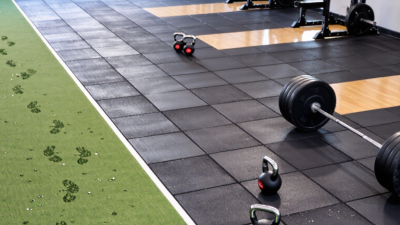
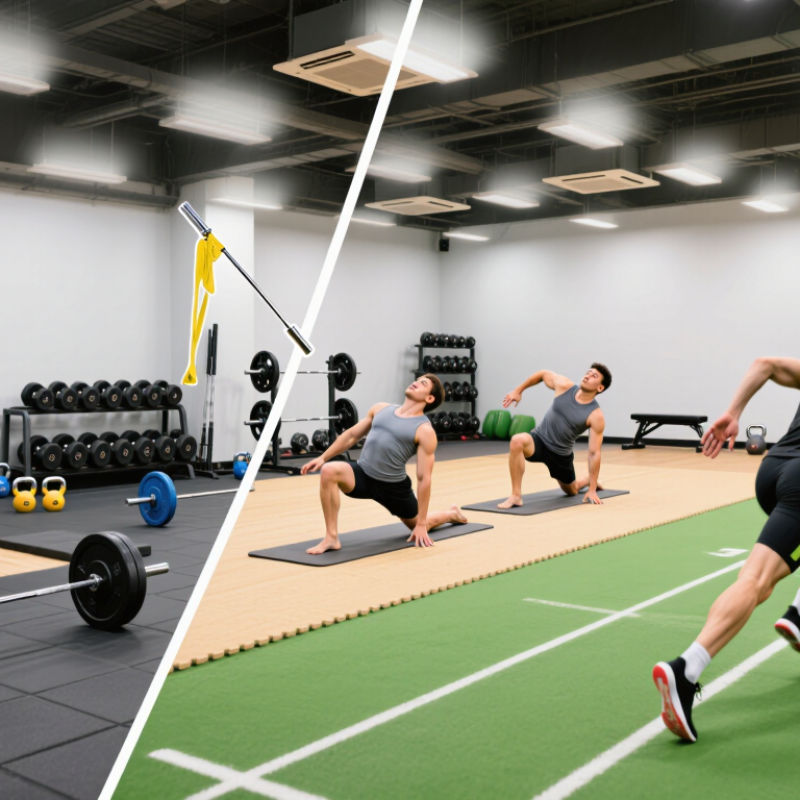
Match each flooring type to the training area, not just the room’s appearance. In free-weight zones, dense rubber tiles or rolls absorb dropped dumbbells and reduce vibration. Thick rubber works well beneath racks and lifting platforms. It also gives shoes reliable traction during heavy movements. For Olympic lifting, use a firm, level surface with reinforced impact protection. Check the subfloor carefully. Small uneven areas can affect balance and equipment stability.
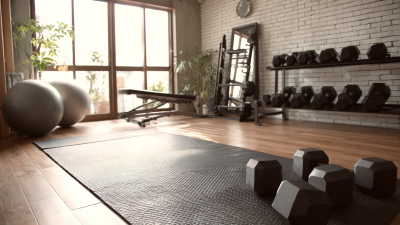
Cardio areas need resilient flooring that supports repeated foot strikes. Rubber or commercial resilient surfaces can reduce fatigue during treadmill, cycling, and circuit sessions. Group exercise rooms may need a slightly softer surface for jumping, stretching, and floor work. Use athletic turf for sled pushes, agility drills, and prowler training. Turf should have secure seams and a smooth transition at its edges. I once saw loose edges create a trip hazard during a busy class. That mistake was preventable.
Tips: Test samples with actual equipment before ordering. Walk, jump, and drag a sled across them. Measure noise, cleaning time, and odor after installation. Choose thickness based on impact, not guesswork. Keep drainage and ventilation in mind for humid areas. A cheaper surface may fail sooner under concentrated loads. Review your decision after several weeks of real use.