Top 10 Gym Flooring Options for Your Fitness Space?
Creating the ideal gym space involves many elements, one of the most crucial being gym flooring. Selecting the right flooring is more than an aesthetic choice; it affects performance, safety, and durability. A gym requires a surface that can handle intense workouts while providing support and comfort for users.
There are various gym flooring options available. Each type of flooring has its own benefits and drawbacks. For instance, rubber flooring is popular for its shock absorption. It can reduce the risk of injury during high-impact exercises. However, it may not be suitable for every fitness environment. On the other hand, foam tiles offer comfort but may lack the durability needed for heavy equipment.
Investing in quality gym flooring is essential for both professional and home gyms. With so many options, it can feel overwhelming. It's important to consider your specific needs and usage patterns. The right choice helps enhance performance and maintains the space's integrity.
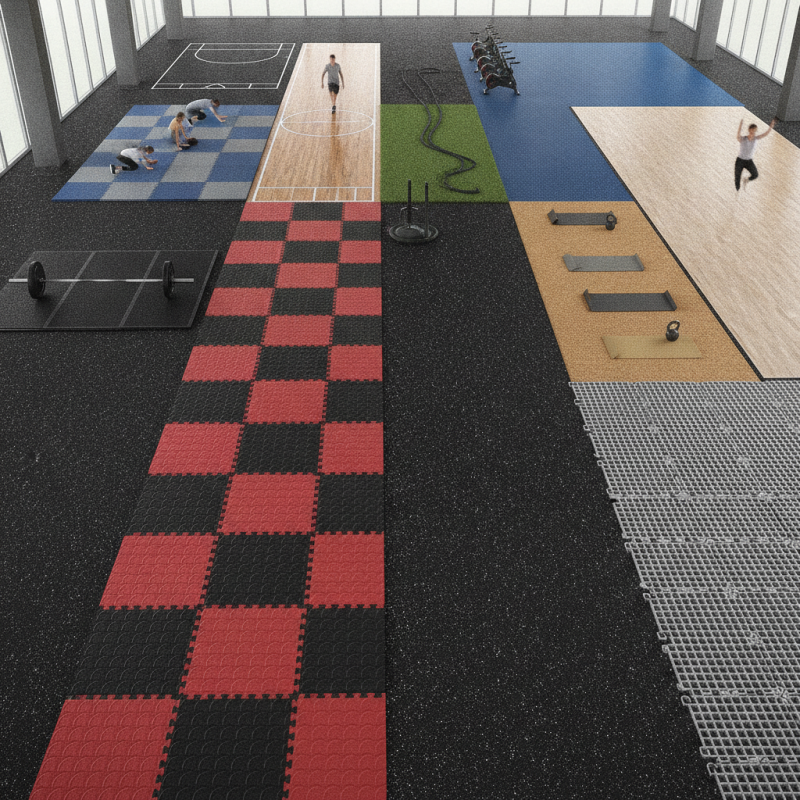
Top 10 Gym Flooring Options for Your Fitness Space
Choosing the right gym flooring is critical for your fitness space. Various flooring options cater to different activities. For instance, rubber flooring is durable, shock-absorbent, and ideal for weightlifting. According to a report by IBISWorld, the commercial flooring industry is expected to grow by 4.6% annually, highlighting the importance of choosing suitable options.
Foam tiles offer great cushioning for aerobics and yoga. They are lightweight and easy to install, but they can wear out quickly. Hardwood floors provide an attractive finish for multi-purpose areas, but they need regular maintenance. A National Association of Home Builders study indicates that demand for quality flooring is on the rise, indicating how crucial it is to make an informed choice.
Tips: Evaluate your workout routines. If you focus on high-impact activities, prioritize rubber to reduce injury risks. For areas of heavy foot traffic, consider investing in thicker, denser options. Remember, a good floor can enhance performance but may require budgeting considerations. Investing in quality flooring may seem costly initially, but think about long-term benefits such as durability and safety. Reflect on how each option suits your needs and the activities in your space.
Assessing the Impact of Foam Flooring on Joint Health and Performance
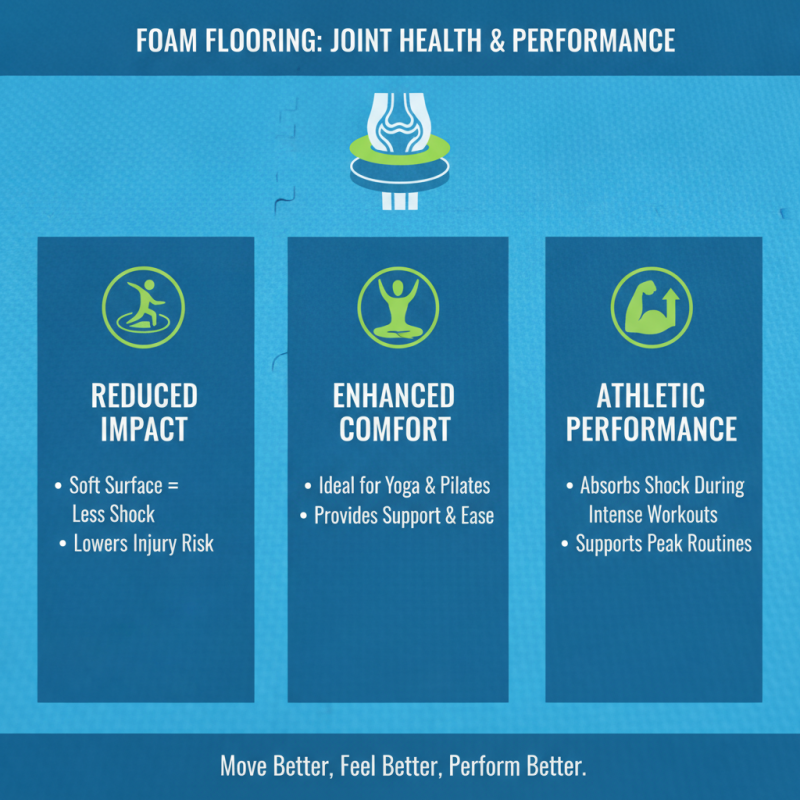
Foam flooring is increasingly popular in fitness spaces. One significant benefit is its soft surface, which can reduce the impact on joints during workouts. This cushioning effect helps to absorb shock and may lower the risk of injuries. For activities like yoga or pilates, foam flooring provides comfort and support. Athletes often feel the positive impact on their performance as they push through intense routines.
However, not all foam materials are created equal. Some may compress over time, losing their effectiveness. Users might find that certain foam types do not provide adequate stability for weightlifting or high-intensity training. It’s essential to evaluate the flooring in relation to your specific activities. Testing different foam options can help determine the right fit for your needs. Consider maintenance as well, since foam materials may require regular cleaning to avoid odors or degradation.
Evaluating the impact of foam flooring on joint health and performance requires personal experience. Everyone's body responds differently, so understanding your own needs is crucial. Take the time to assess how different floors affect your workouts. Ask for feedback from fellow gym-goers. Gathering these insights will lead to a better-informed decision for your fitness space.
Rubber Flooring: Durability and Shock Absorption in Fitness Environments
Rubber flooring stands out for its durability and shock absorption. This makes it an ideal choice for fitness environments. Whether in a home gym or a commercial space, rubber can handle heavy weights. It resists wear and tear, which is crucial for high-traffic areas. The surface provides excellent traction, reducing the risk of slips during intense workouts.
Another significant advantage is shock absorption. This feature protects joints during exercises like jumping or running. A cushioned surface can lessen the impact, making workouts more comfortable. However, it is essential to consider installation and maintenance. Improper installation can lead to issues over time. Regular cleaning is also crucial to prevent odors and bacteria buildup.
While rubber flooring offers many benefits, it has limitations. Some find it can feel hard underfoot. Those who prefer softer surfaces may need to explore other options. Balancing comfort and functionality is essential in any fitness space. Making informed choices ensures a better workout experience.
Comparative Analysis of Carpet Tiles vs. Traditional Carpeting for Gyms
When considering flooring options for fitness spaces, the choice between carpet tiles and traditional carpeting is significant.
Carpet tiles offer unique advantages, such as easy installation and replacement. Research shows that they can withstand heavy foot traffic better than traditional carpeting. 65% of gym owners prefer modular options for their versatility.
Traditional carpeting presents challenges in maintenance and cleanliness. It tends to trap dust and allergens, which can impact gym hygiene. A report from the American Sports Flooring Association indicates that proper flooring contributes to a healthy environment. This is critical in gyms where air quality can affect performance.
Tip: Choose carpet tiles for high-traffic areas. This allows for quick repairs when sections wear down.
Carpets absorb sound, which might be beneficial in certain cases. However, they can also create a damp environment that promotes mold growth if not maintained correctly. According to the Environmental Protection Agency, proper ventilation and regular cleaning are essential. An overlooked floor can lead to health risks.
Tip: Use antimicrobial treatments to enhance carpet longevity and hygiene.
Ultimately, assessing your specific needs will guide your flooring choice. Whether you opt for carpet tiles or traditional carpeting, understanding their impacts can aid in creating a safer fitness environment.
Vinyl Flooring: Cost-Effectiveness and Maintenance in Commercial Gyms
Vinyl flooring is gaining popularity in commercial gyms due to its cost-effectiveness. Many gym owners are looking for affordable options that don't sacrifice quality. Vinyl is lightweight and easy to install. This means savings on labor costs. The initial investment is lower than other flooring materials, making it appealing to budget-conscious facilities.
Maintenance is another critical factor to consider. Vinyl floors are resistant to moisture, which makes cleaning easier. Regular mopping and occasional deep cleaning can keep them looking new. However, gym owners need to address scuff marks quickly. If neglected, these can affect the floor's appearance over time.
While vinyl flooring is durable, it can show wear and tear in high-traffic areas. Replacing sections may be necessary, raising maintenance costs. Additionally, some gym-goers may prefer the feel of rubber or foam underfoot. These human preferences can't be overlooked. Balancing cost, maintenance, and user satisfaction is a challenge that gym owners must face.
Top 10 Gym Flooring Options for Your Fitness Space
| Flooring Type |
Cost per Square Foot |
Maintenance Level |
Durability |
Comfort Level |
| Vinyl Flooring |
$2 - $5 |
Easy |
Moderate |
High |
| Rubber Flooring |
$3 - $7 |
Moderate |
High |
Very High |
| Carpet Tiles |
$1 - $4 |
Moderate |
Low |
Moderate |
| Foam Flooring |
$2 - $5 |
Easy |
Low |
Very High |
| Cork Flooring |
$3 - $6 |
Easy |
Moderate |
High |
| Wood Flooring |
$5 - $10 |
Moderate |
High |
Moderate |
| Artificial Turf |
$4 - $8 |
Moderate |
High |
High |
| Hybrid Flooring |
$3 - $7 |
Easy |
Very High |
Moderate |
| Concrete Flooring |
$1 - $3 |
Low |
Very High |
Low |
| Linoleum Flooring |
$2 - $5 |
Easy |
Moderate |
High |
Conclusion
When selecting the best gym flooring for your fitness space, it's essential to consider various factors that impact both functionality and aesthetics. The article outlines the top 10 gym flooring options, highlighting the benefits of foam flooring in enhancing joint health and performance, as well as the durability and shock absorption properties of rubber flooring. Additionally, it discusses the comparative advantages of carpet tiles versus traditional carpeting in gyms, noting aspects such as maintenance and design flexibility.
Vinyl flooring stands out for its cost-effectiveness and ease of maintenance, making it ideal for commercial gyms. Finally, the article emphasizes the environmental benefits of sustainable gym flooring materials, encouraging gym owners to opt for greener choices that align with modern ecological standards. By carefully assessing these options, fitness facilities can create safe, functional, and appealing workout environments tailored to their specific needs.