Top Sports Flooring Solutions for Your Global Sourcing Needs?
In the world of sports, flooring plays a critical role in performance and safety. Sports flooring surfaces must cater to various activities, including basketball, volleyball, and gymnastics. Choosing the right material can significantly affect athletes' training and competition.
Sports flooring solutions vary widely in materials and designs. Each option offers unique benefits and challenges. Some surfaces provide excellent shock absorption, while others enhance traction and grip. It’s essential to consider the specific needs of the sport played and the environment where the flooring will be installed.
As global sourcing needs grow, understanding these solutions becomes vital. A well-chosen sports flooring can boost athletic performance and minimize injury risks. However, it’s easy to overlook the importance of proper installation and maintenance. Ignoring these factors can lead to costly mistakes and unsafe conditions. Balancing aesthetics, functionality, and durability requires thoughtful consideration.
Top Considerations When Selecting Sports Flooring Solutions
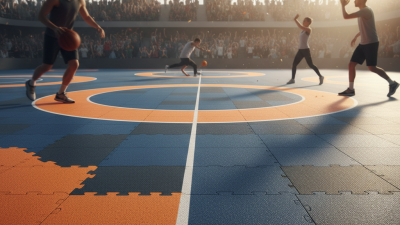
Selecting the right sports flooring is crucial for various facilities. Different types of sports require specific flooring characteristics. For instance, basketball courts need surfaces with excellent traction and shock absorption. Conversely, fitness centers often prefer flooring that can withstand heavy weights and intense movements.
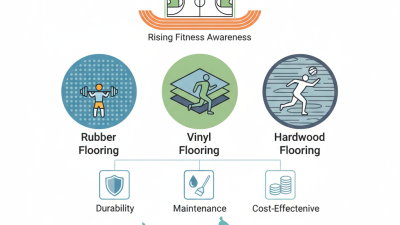
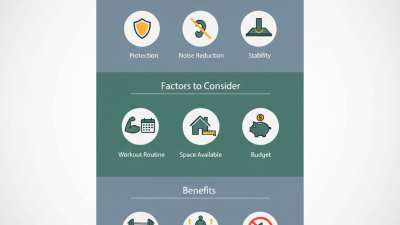
When evaluating flooring options, consider durability and maintenance. Many surfaces require regular upkeep to maintain performance. Some materials may not be suitable for high-traffic areas, leading to premature wear. Noise absorption is another consideration. It can dramatically affect the environment of a gym or sports complex, particularly during busy hours.
Cost is always a factor in decision-making. While initial investment is important, long-term value should not be overlooked. Some cheaper options might degrade quickly, leading to increased costs over time. Balancing quality and affordability requires careful thought. Ultimately, the right flooring enhances performance and user experience in sports facilities.
Types of Sports Flooring Materials and Their Benefits
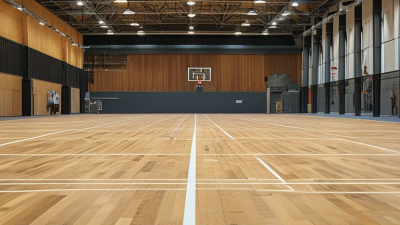
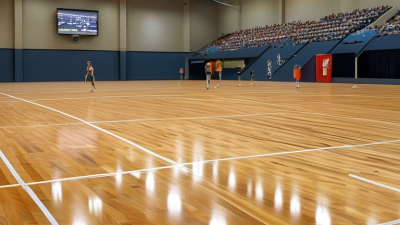
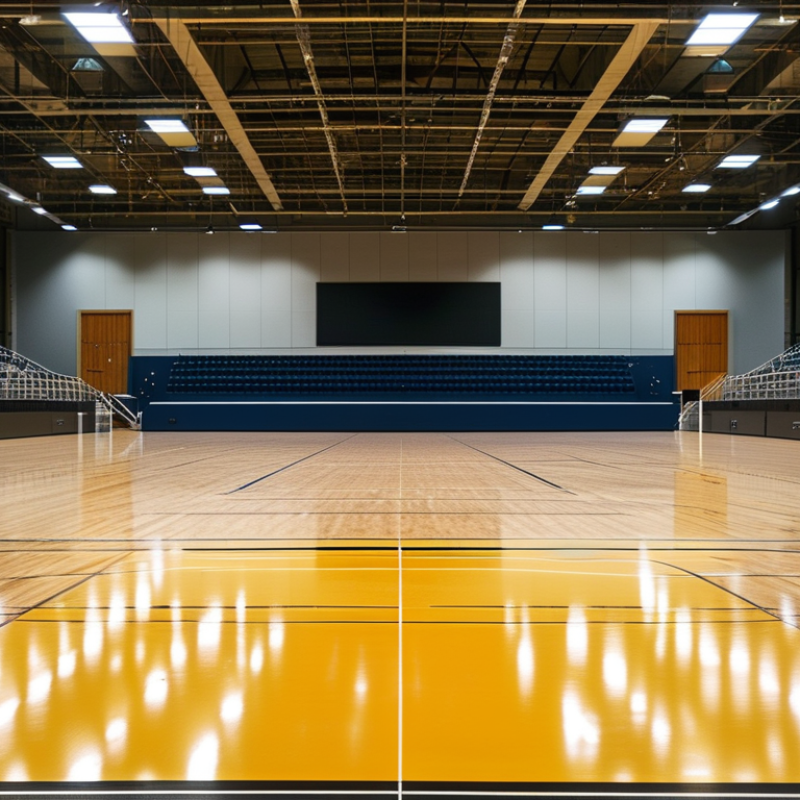
Choosing the right sports flooring material is crucial for safety and performance. Various options cater to different needs, including hardwood, rubber, and vinyl. Hardwood flooring is cherished for basketball courts due to its shock absorption and aesthetic appeal. According to the National Basketball Association (NBA), this material reduces injuries and enhances performance, contributing to improved player confidence.
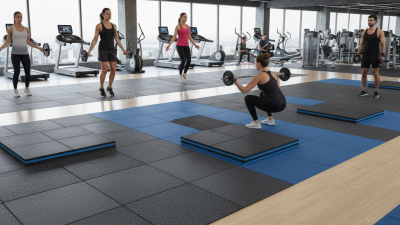
Rubber flooring offers unique advantages. It is durable, slip-resistant, and easy to maintain. This makes it suitable for multi-purpose gyms, where activities like aerobics and weightlifting occur. A recent report from the International Association of Sports Flooring estimates that rubber flooring can reduce impact-related injuries by up to 30%.
When selecting sports flooring, consider the activity type. Indoor sports require different characteristics compared to outdoor venues. Emphasizing impact resistance and surface grip can improve safety.
Research local climate conditions when installing. Humidity can affect certain materials, leading to warping or surface damage. Prioritize seasonal stability and regular maintenance to avoid costly repairs. Balancing aesthetics, function, and safety is vital for a successful installation.
Global Trends in Sports Flooring for 2023
As global trends in sports flooring evolve in 2023, sustainability has become a focal point. Recent industry reports indicate that approximately 40% of sports facilities are now prioritizing eco-friendly materials. This shift aligns with global efforts to reduce carbon footprints. Many facilities are exploring options like recycled rubber and renewable wood to lessen environmental impact.
Additionally, the demand for multifunctional surfaces is rising. Data from market research highlights that over 50% of new sports installations are designed to accommodate diverse activities. This versatility is critical for maximizing facility use. However, the challenge lies in balancing durability with performance. Many facilities struggle to find surfaces that meet the rigorous demands of various sports while remaining cost-effective.
In 2023, the trend toward smart technologies is also gaining momentum. Reports suggest a growing interest in smart flooring systems, which monitor player performance and provide data analytics. Yet, this introduces complexities in installation and maintenance. Facilities must weigh the benefits against potential technical issues. It’s an exciting time, but stakeholders must stay informed and adaptable to navigate these evolving needs.
Top Sports Flooring Solutions for Your Global Sourcing Needs - 2023 Trends
Cost Analysis of Different Sports Flooring Options
When considering sports flooring options, cost analysis is critical. Polyurethane flooring systems, while expensive upfront, offer durability and lower maintenance costs over time. According to market reports, these systems can reduce annual maintenance expenses by 30% compared to traditional surfaces. In contrast, less expensive options like vinyl may require frequent replications every few years, increasing long-term costs unexpectedly.
Rubber flooring remains popular due to its resilience. Initial costs are moderate, around $2-$10 per square foot. However, some studies show that installing rubber can lead to significant sound reduction and injury prevention. Such benefits often justify the investment. Still, users must assess whether these qualities align with their facility's needs.
Wooden surfaces, while aesthetically pleasing, present complex financial implications. The installation of hardwood floors can range from $6 to $12 per square foot. Additionally, they often have extensive upkeep costs. Some facilities find themselves struggling with wear and tear, which can affect performance and safety. Investing in high-quality finishes can mitigate these issues, yet they still demand regular evaluation and investment. Each option's costs and benefits must be weighed carefully for strategic decision-making.
Maintaining and Upgrading Sports Flooring for Longevity
Maintaining and upgrading sports flooring is crucial for longevity. Regular inspection is essential. Look for signs of wear, such as scratches or uneven surfaces. These issues can affect performance and safety. Investing time into maintenance can save money long-term.
When upgrading, consider the type of activity the flooring will support. Different sports require different surfaces. For instance, a basketball court benefits from a hardwood finish, while a gym area may require soft, cushioned flooring. It’s important to choose materials that provide adequate support and durability.
Moreover, cleaning routine plays a key role. Dust and contaminants can wear down surfaces over time. Establish a regular cleaning schedule involving appropriate cleaning agents. This practice will enhance the appearance and safety of the flooring. Recognizing the need for early interventions can prevent costly replacements. Reflecting on current flooring conditions can lead to better decisions for future upgrades.
Top Sports Flooring Solutions for Your Global Sourcing Needs
| Flooring Type |
Material |
Durability (Years) |
Maintenance Frequency (Months) |
Installation Ease (1-5) |
| Wood |
Maple |
20 |
12 |
3 |
| Rubber |
Synthetic |
15 |
6 |
4 |
| Vinyl |
Polymeric |
10 |
5 |
2 |
| Carpet |
Nylon |
8 |
3 |
2 |
| Cork |
Natural |
12 |
8 |
3 |